Paul Taylor
-
The Overton Window: How Unthinkable Ideas Become The Norm
The concept of the Overton Window – the range of ideas, policies, and arguments deemed acceptable to the mainstream population – was developed in the early 1990s by Joseph P. Overton, an electrical engineer turned policy wonk. Overton maintained that… Continue reading

-
How To Build A Bridge To A ‘Rogue Silo’ Team
In 1988 Phil. S. Ensor coined the term the functional silo system. His contention was that narrow, specialised teams and jobs were easy to manage, but imposed damaging learning disabilities on the organisation. As every function focuses on its own objectives and KPIs… Continue reading

-
The Watery Tomato: Why Most Innovative Practice Doesn’t Scale
In late 2024, Scottish midfielder Scott McTominay moved from Manchester United to Napoli. He was an elite athlete, at the peak of physical performance, who had spent all his life in the UK. Yet, within weeks of arriving in Southern… Continue reading

-
Fixing The Foundations Vs Innovation Leapfrogging
India, the worlds most populous country, has a vibe about it that contrasts starkly with the UK. It’s not just vibes, there’s data to back it up. India currently sits near the top of the global optimism charts, with 69%… Continue reading

-
Four Picture Diary. Puducherry: Community creativity, mythopoeia, and booze bureaucracy
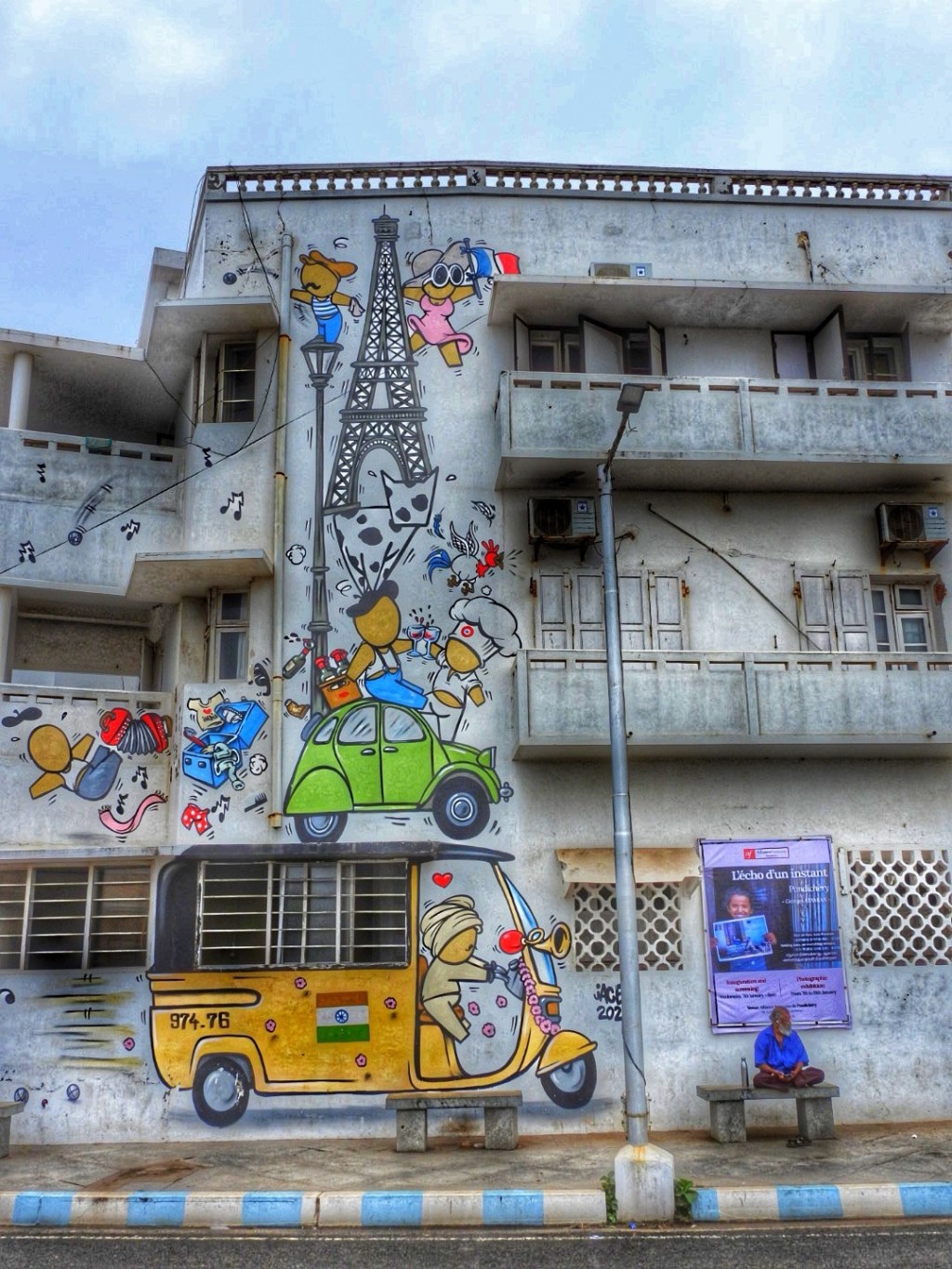
With a four picture diary the idea is to keep things simple and focused by capturing just four photos that define the day, each answering a specific prompt: Where is it happening? What are we doing? Who is involved? and… Continue reading
-
Four Picture Diary: Digital Transformation, Airport Counselling and English Themed Pubs
With a four picture diary the idea is to keep things simple and focused by capturing just four photos that define the day, each answering a specific prompt: Where is it happening? What are we doing? Who is involved? and… Continue reading

-
Four Picture Diary: Agonda, Jugaad, and the innovation suspicion of drones.
With a “Four a Day” picture diary the idea is to keep things simple and focused by capturing just four photos that define the day, each answering a specific prompt: Where is it happening? What are we doing? Who is… Continue reading

-
Picture Diary: Palolem, fish curry, roaming cows, and why would you wash your balls in a public toilet?
With a “Four a Day” picture diary the idea is to keep things simple and focused by capturing just four photos that define the day, each answering a specific prompt: Where is it happening? What are we doing? Who is… Continue reading

-
Four Picture Diary: Monkeys and Place Naming Conventions
With a “Four a Day” picture diary the idea is to keep things simple and focused by capturing just four photos that define the day, each answering a specific prompt: Where is it happening? What are we doing? Who is… Continue reading

-
Four a Day Picture Diary: Elephants and Amusing ATMs
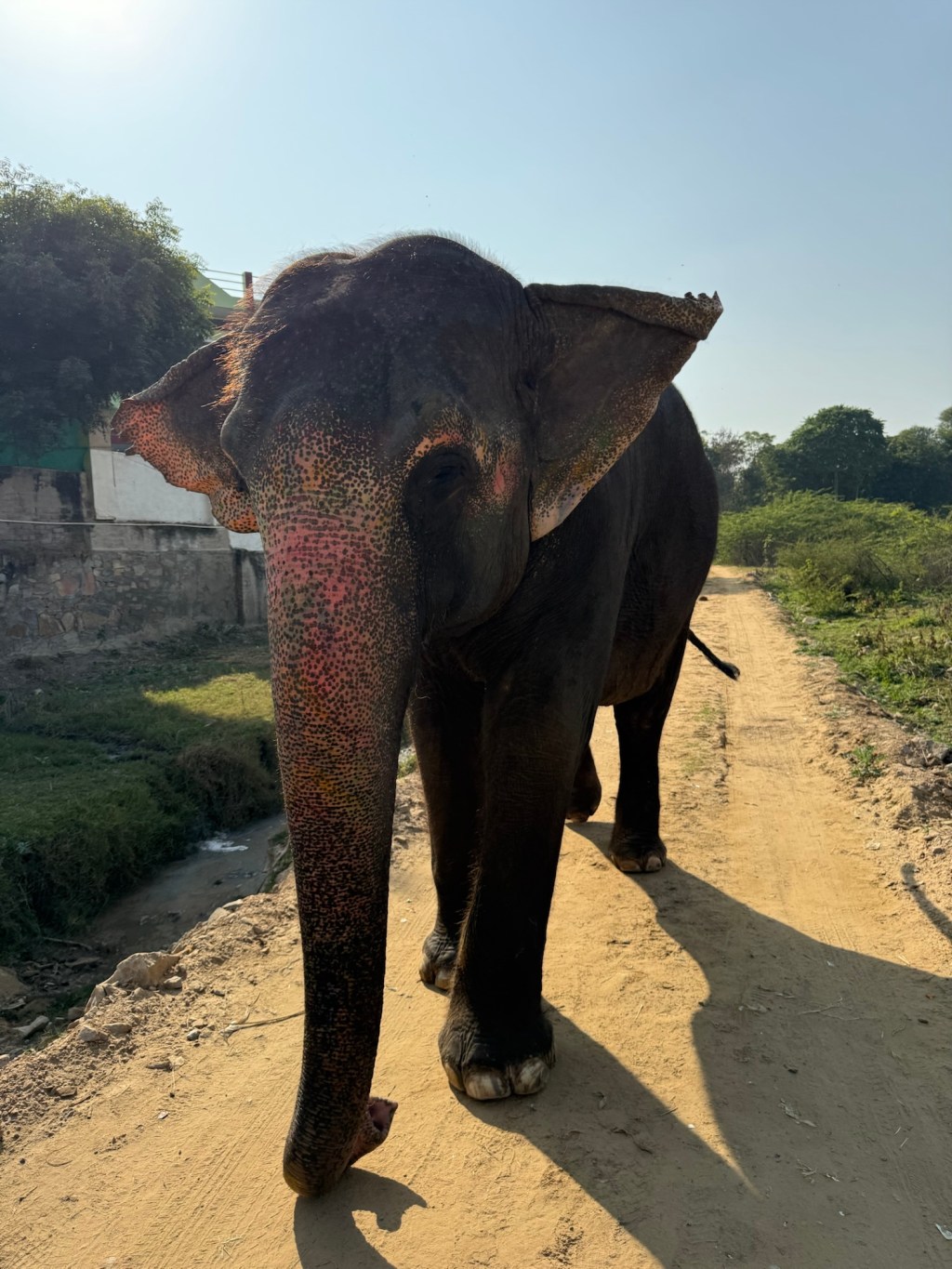
For our trip to India, I’m doing a four a day picture diary. Where is it happening? What we are doing? Who is involved? Why? Four pictures with a bit of commentary Where is it happening? Jaipur. A city I’ve… Continue reading
-
Four a Day Picture Diary: Safari Bureaucracy
For our trip to India, I’m doing a four a day picture diary. What we are doing? Where it is happening? Who is involved? Why? Four pictures with a bit of commentary What we are doing? On safari at dawn… Continue reading

-
Four a Day Picture Diary: The Road To Ranthambore
For our trip to India, I’m following the path of Chris Bolton with a four a day picture diary. What we are doing? Where it is happening? Who is involved? Why? Four pictures with a bit of commentary. What we are doing?… Continue reading

-
Four A Day Picture Diary – Rebooted
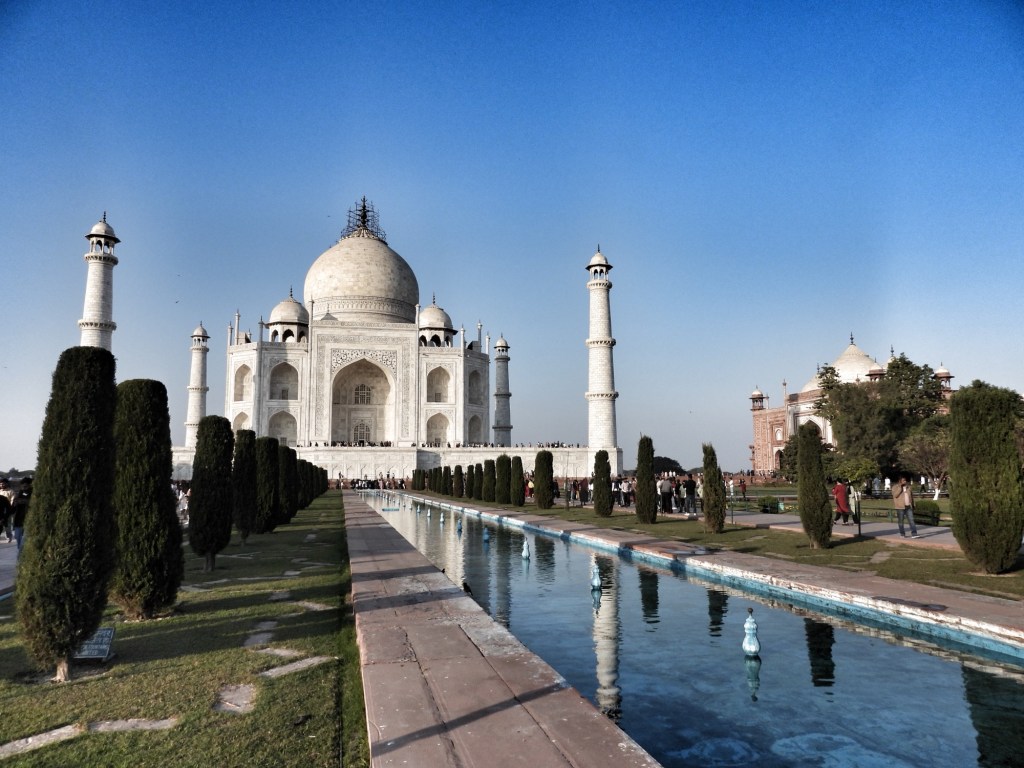
Behind every click, discover India’s roadside chai and the evolving roadside dining scene. Continue reading
-
Organisational Antibodies Reject Place-Based and Decentralised Approaches
Placed based work will actually serve people’s needs more completely and more cheaply. The consciousness of place is not hierarchical or expert. It relies on the intrinsic value of each member of the place. Any flattening is frightening to the… Continue reading

-
Why Decentralised Place-Based Approaches Can Fail
Genuine place based decentralised approaches are not merely structural changes; they are assaults on the fundamental logic of the traditional organisation which is designed to minimise variance and maximise control. Continue reading

-
Why Don’t We Enable More Heretical Thinking At Work?
In today’s corporate environment, the instinct of the system is to demand order, predictability, and consensus. Yet, the reality facing us is that nearly half of CEOs don’t think their organisations will survive 10 years unless they radically change path.… Continue reading

-
Concentrate on relationships and metrics will improve. Concentrate on metrics and relationships will fail.
Why do so many managers and leaders expect an almost instant improvement in satisfaction results after any change is made? We often fail to recognise that whilst organisational memory is short, community has a long memory Regaining trust often needs… Continue reading

-
Complaints Rise Because Our Organisations Are Designed To Generate Complaints
The purpose of a system is what it does Continue reading

-
The Collaboration Paradox: Why We Say We Love It, But Our Systems Fight It
If you are struggling to make collaboration work, the problem might not be your people; it might be your structure and system. Continue reading

-
Are Small Companies Really Better At Innovation?
Large organisations kill innovation not by size, but by inertia. To avoid this, we must embrace organisational ambidexterity—balancing core efficiency (exploitation) with radical flexibility (exploration). That’s why I believe our model of place based working – the blueprint of which… Continue reading
 Paul Taylor