-
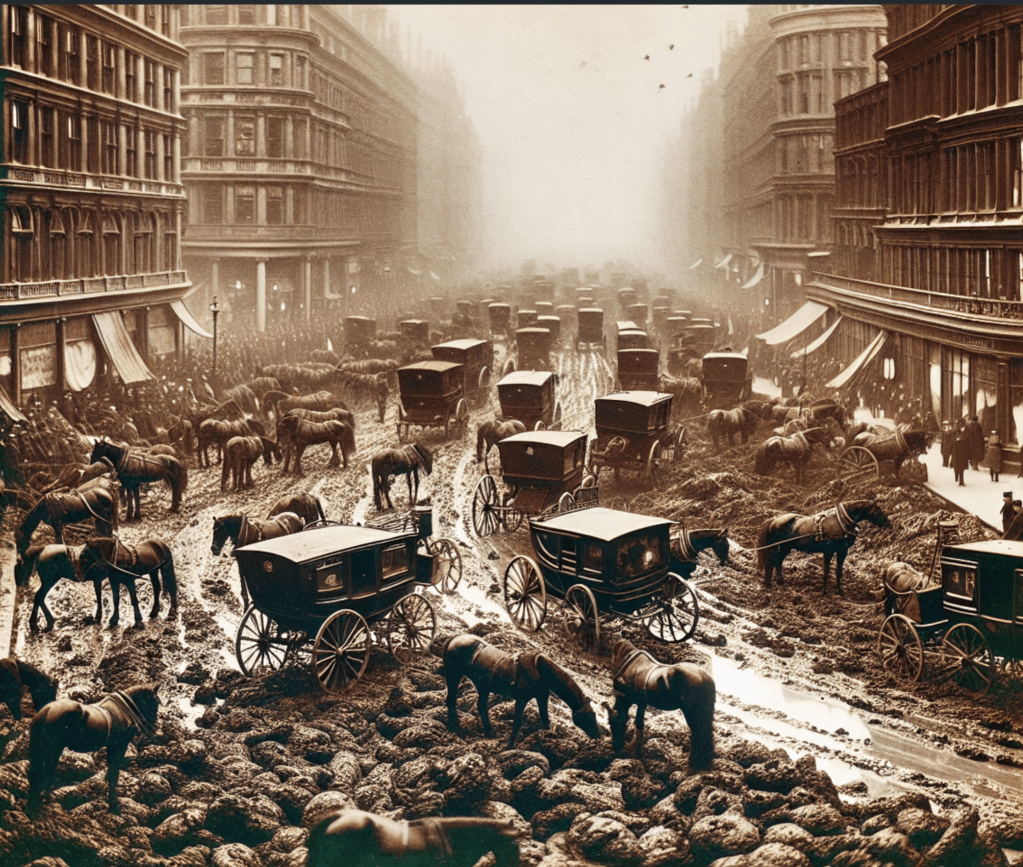
Net Zero and The Law of Horse Manure
Catastrophic predictions that spell dark days for humanity are nothing new. The Times predicted in 1894 that in 50 years time, every street in London would be buried under nine feet of horse manure. It was the crisis of all crises. There was, to be fair, some evidence for this. As urban populations rapidly increased… Read more
-

The Gravitational Pull Of Business As Usual
The interior secrets of black holes are guarded by a one-way light-trapping boundary called the event horizon. This horizon is the point, according to NASA, that the gravitational influence of the black hole becomes so intense that not even light is fast enough to escape it. A very different horizon exists in many organisations, except… Read more
-

Why We Must Pivot to Community Enabling
How do you build resilience into systems? “We need to be system shapers and system stewards – seeking ways to create the system we want, not be passive victims of it” The pivot we need to make is from viewing the end user as a demanding customer to viewing them as an essential, contributing participant. Read more
-

How Can We Create Systems Where Knowledge Becomes Contagious?
Despite unprecedented access to data and technology the number one self stated problem in organisations is always and only ever one thing: communication. The system we need to rebuild must be founded on principles of collective intelligence and self organisation. Knowledge IS contagious if the system supports it Read more
-

Have we lost our ability to do big, ambitious things as communities?
The system has constrained the ability for local innovation by drawing resources , power and control to the centre. If you’re part of publicly focused services you are part of that same system Read more
-

Our Obsession With League Tables, And The Performance Paradox
This is our classic paradox: the metrics and targets that are intended to drive improvement can create a powerful set of incentives that actually work against the very innovation and risk-taking we need to strive for. Read more
-

How To (Re)Build An Innovation Lab
Bromford Lab is dead. But what comes next? And how can we build upon the lessons we learned? Read more
-

Digital Transformation and Our Failure To Learn From Past Mistakes
The cyclical nature of public sector failure is a testament not to a lack of intelligence or goodwill, but to a deeply ingrained resistance to genuine learning. It’s a system designed for stability, not innovation. The very structures that make it reliable—bureaucracy, risk aversion, and short-termism—are the same ones that guarantee we will, time and… Read more

 Paul Taylor