bromford
-
The Myth of Centralisation
The enemy of innovation is the management desire to centralise everything. Centralisation is often touted as being more efficient but it’s nothing of the sort. In truth it is a simply a corporate power grab, an attempt to control, to… Continue reading

-
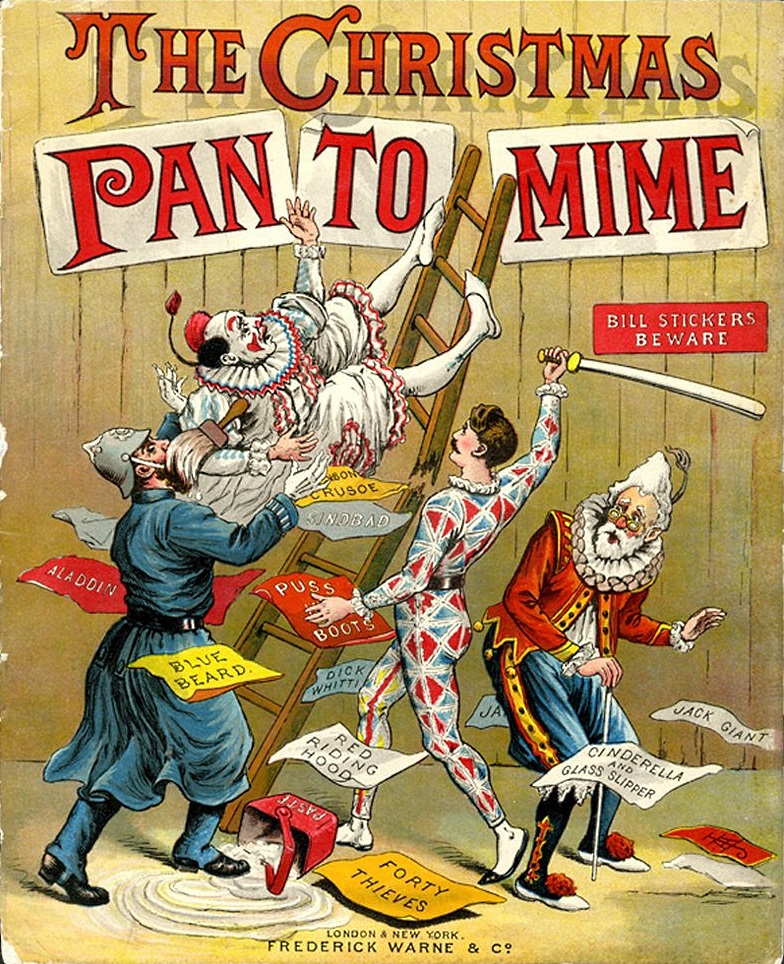
Avoiding Innovation Pantomime: Capability vs. Capacity
We all like a bit of theatre, but unless you focus on your strategy, and turn those ideas into actions that change colleagues and customers lives, you risk something worse. The endless idea challenges that go nowhere, the hackathons, the… Continue reading
-
Reciprocity , The Social Contract, and Talking About Tomorrow Today
Reciprocity is a fundamental social principle where people feel obliged to repay actions in kind. If someone does something for you, you feel a sense of obligation to do something for them in return. In a world sometimes reduced to… Continue reading

-
Imitation Breeds Mediocrity
Imitation breeds mediocrity. Copying others distracts from developing your own unique strengths and capabilities. True innovation comes from looking inward, understanding your own context and culture, and finding creative solutions that work for you. Copying stifles this. Continue reading
-
Combatting The Cobra Effect With Bottom-Up Planning
The Cobra Effect refers to a situation where an attempted solution to a problem actually makes the problem worse, as a result of unintended consequences. The term comes from a story during the British colonial rule of India. Concerned about… Continue reading

-
The Law of Propinquity And The Work From Home Dilemma
In our post-internet, post-social media, post-covid world, does physical proximity still have value, particularly when it comes to creativity, innovation and discovery? The law of propinquity states that the greater physical (or psychological) proximity between people, the greater the chance that they… Continue reading

-
The Growing Bureaucratisation Of Life
Many organisations , without realising it , act as inhibitors of creativity. Rules and protocols are put in place – often for very good reasons – that preserve the status quo. Over time, organisations develop a set of social norms – ‘the way we… Continue reading

-
Efficiency Isn’t Always Effective
Being efficient is not half as effective as conventional management would like to think. Working across health, the criminal justice system, mental health, housing, social care, or education requires us to take a whole person view of someone. It requires… Continue reading

-
How To Behave In A Legacy Organisation
“I was a Legacy manager in a Legacy organisation. We were mainly caretaking a broken model, trying to make it function better.” Kate Davies It’s always refreshing to hear a CEO, or ex-CEO, offer a pragmatic take on their career… Continue reading

-
The Abilene Paradox And The Dangers of Assuming People Agree With You
The Abilene Paradox is a situation in which a group makes a decision that is contrary to the desires of the group’s members, because each member assumes the others approve of it. It’s titled after an example used by Jerry… Continue reading

-
Autonomy Only Happens By Design
Most of us accept that bureaucracy squashes initiative, risk-taking, and creativity, but it doesn’t just stop there. Continue reading

-
Community Is The Only Unit of Sustainable Change
The basic unit of sustained innovation is not a creative individual, nor even a team, but a creative community with a cause. Charles Leadbetter I’m just off the back of a first round of workshops, or rather conversations, about the… Continue reading

-
Do You Really Need An Innovation Strategy?
Do you really need an innovation strategy? I say no. You need a strategy that sets out a challenge and invites everyone to ask questions and go on a journey of discovery. A strategy that is founded on principles of… Continue reading

-
The More We Reduce Conversation, The More We Increase Demand
A few weeks ago I visited a GP surgery with a family member to discuss a few issues that had been bothering them. They were told – with no uncertainty – that they shouldn’t attempt to discuss more than one… Continue reading

-
Why We Try To Solve Problems By Adding Complexity
“Most geniuses—especially those who lead others—prosper not by deconstructing intricate complexities but by exploiting unrecognized simplicities.” Andy Benoit When companies want to change they almost always add something to the mix. A new team, a new senior leader, a new… Continue reading

-
The Anatomy of a Great Idea
Ideas are not invented equally. I’d suggest that anyone who repeats the adage that ‘no idea is a bad idea’ has never attended a management away day. So what makes a great idea? Continue reading

-
What Effect Does Environment Have On Our Ability To Think Creatively?
When you think of the “space to innovate” what immediately springs to mind? Is it the physical space , the mental space, the calendar space? All three? I’ve been thinking a lot about spaces and environments this week: specifically what… Continue reading

-
How To Kill Ideas (Part 53)
Many organisations act as inhibitors of innovation. Rules and protocols are put in place, often for very good reasons, that preserve the status quo. Over time, organisations develop a set of social norms – ‘the way we do things around here’ –… Continue reading

-
How To Resist Corporate Hoarding
Many companies are still using software built or purchased from a time when Blockbuster were fining us for late returned videos. Most of the companies we admire for their innovation , your Amazons, your Netflixes or your Apples have no… Continue reading

-
The Complex Problem With Big Change Programmes
Change-washing (noun): the process of introducing reforms that purport to bring about change but fail to result in any substantive shifts in systems, services or culture. — Thea Snow and Abe Greenspoon One of the unfortunate side-effects of writing a… Continue reading
 Paul Taylor