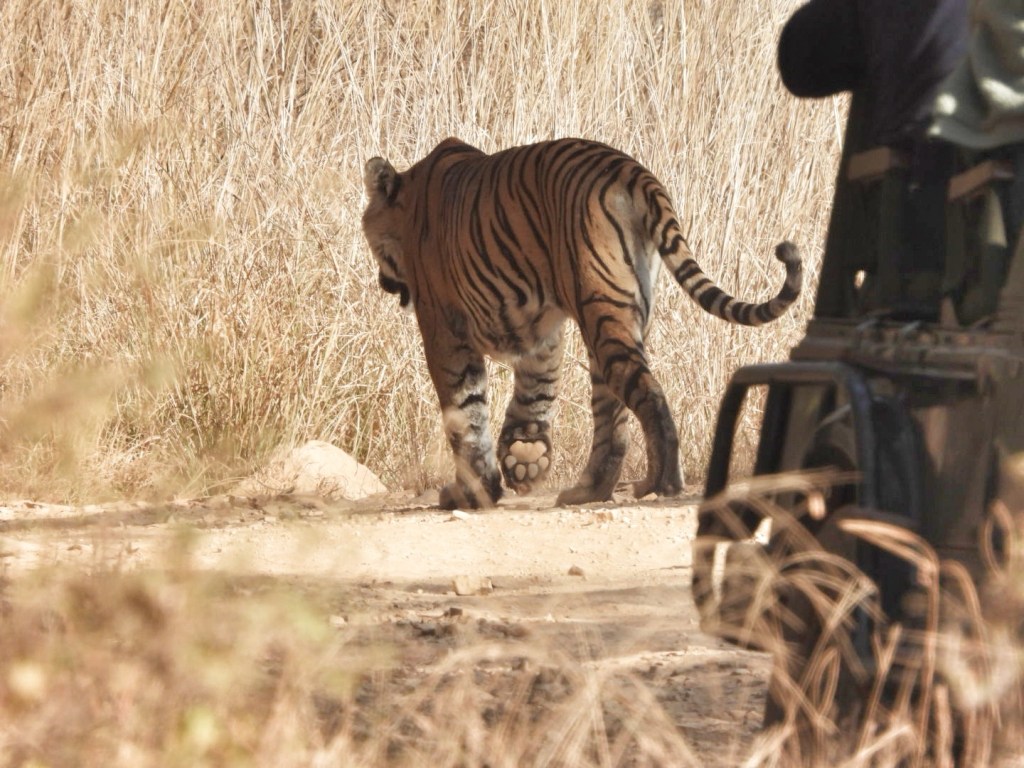
For our trip to India, I’m doing a four a day picture diary.
What we are doing?
Where it is happening?
Who is involved?
Why?
Four pictures with a bit of commentary
What we are doing?
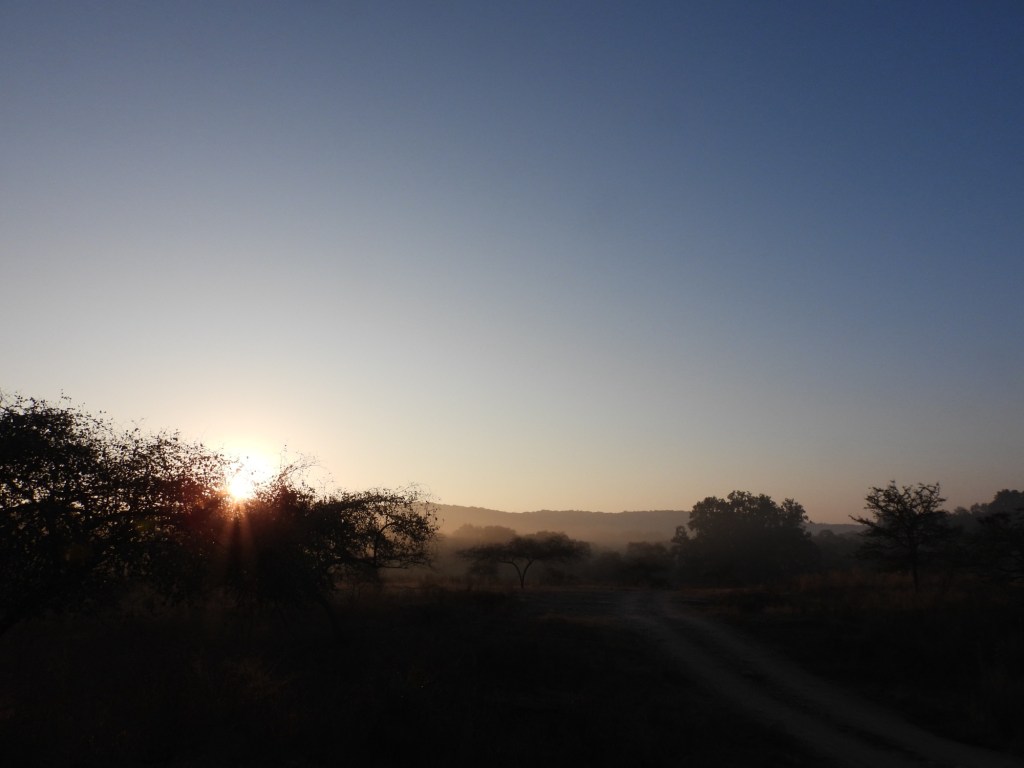
On safari at dawn trying to spot a Bengal Tiger in Rajasthan, India.
And this is the problem with being restricted to just four pictures, it cannot tell the full story of the slow build up of looking for animals in the wild. The patience, the tension, the (let’s be honest) sheer tedium at times.
‘How much did we pay for this?’
‘And we are not going to see anything at all?’
‘Will that damn tiger sleeping in the undergrowth just wake up?’
And then….
Where it is happening?
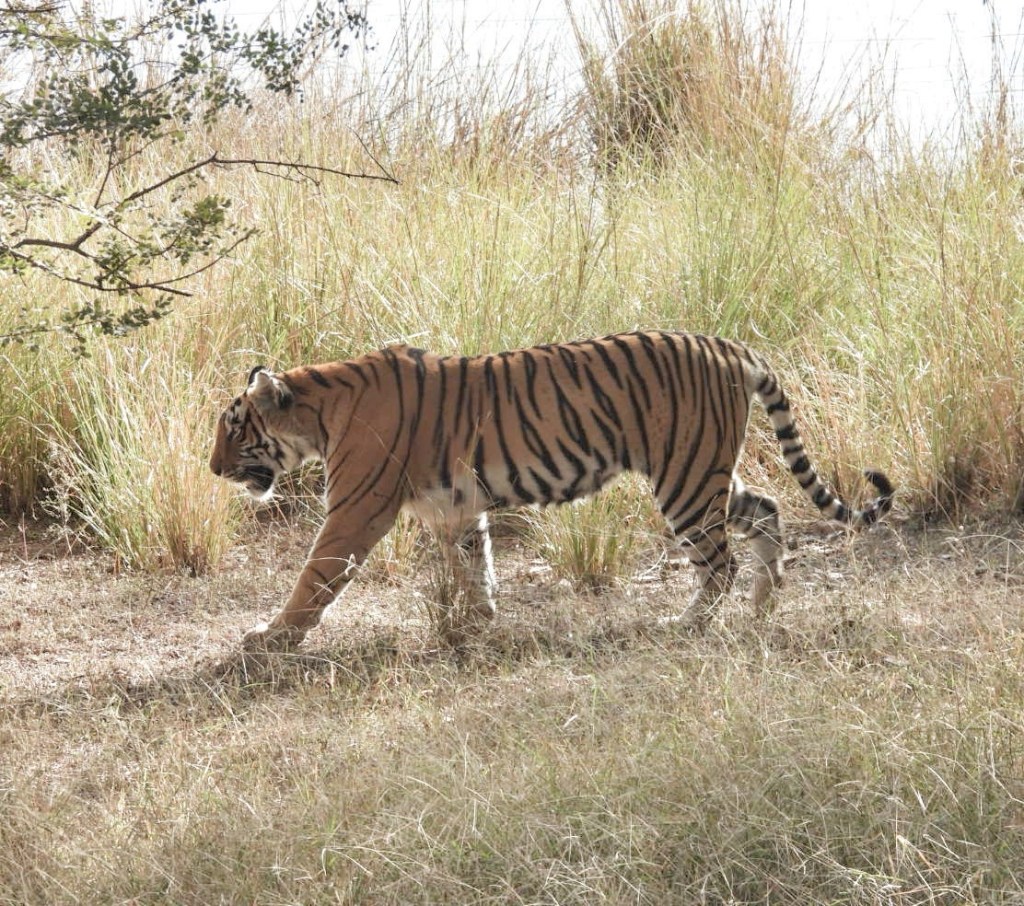
And then everything is worth it and it becomes the best experience ever. Two tigers , up close.
It doesn’t always work out like that though – see another update.
I’m lucky enough to have done one or two safaris and it strikes me as the ultimate high stakes customer experience. You only remember the really great or really terrible bits. And if you have a great bit you’ll forget all the terrible bits.
Who is involved?
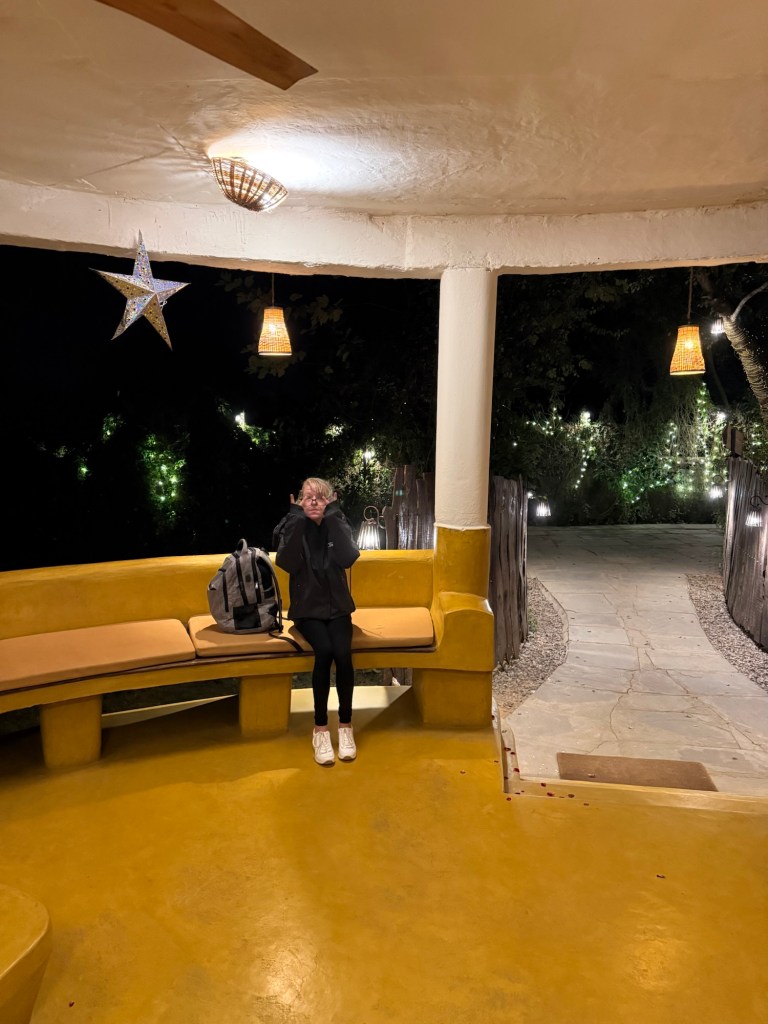
Making the point for me, here’s Karen flicking the v’s for making her get up at 5:30am in what was the pre dawn freezing cold.
She loved it in the end, I think.
Why?
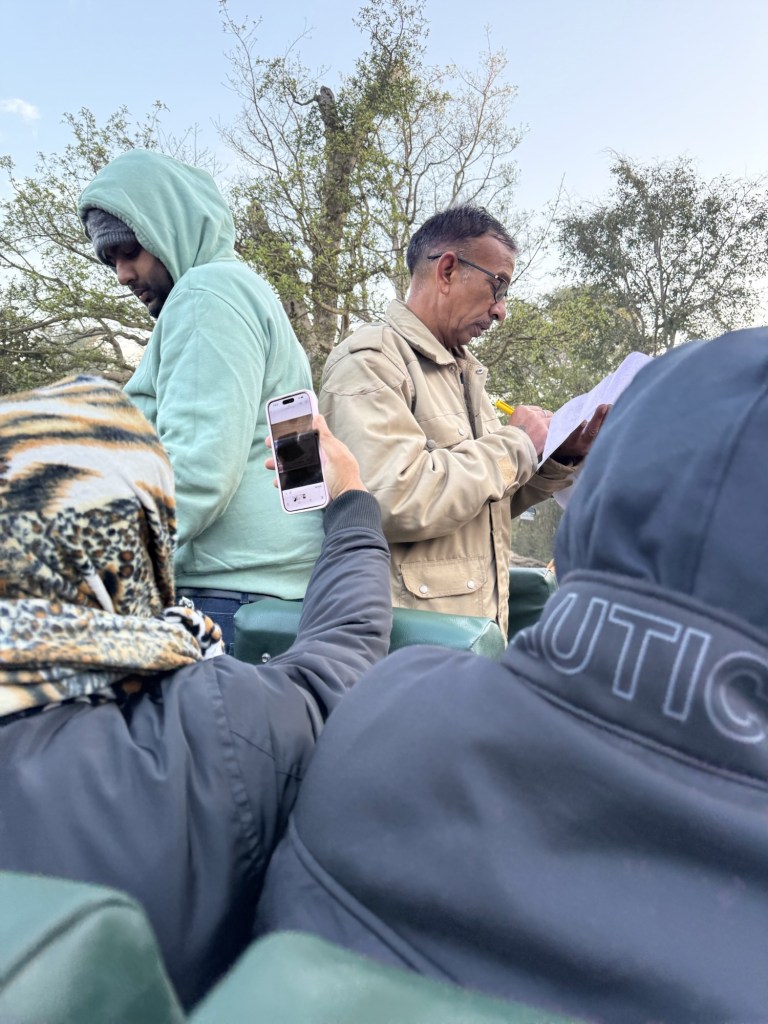
A safari guide checking our passports and ID even though I sent them online already.
Why? It’s highly unlikely anyone would try and smuggle themselves into a wild reserve with roaming man eaters.
I’m a little bit obsessed with Indian bureaucracy and what it teaches us about how pointless rules spread in organisations.
And it’s all our fault.
When the British exited India in 1947, they left behind the “Steel Frame”—a massive, rigid administrative machine designed for colonial control rather than public service. This legacy includes a complex culture of red tape, where exhaustive paperwork and archaic protocols often stall progress.
While this bureaucracy provided essential stability it also institutionalised a top-down hierarchy and a detached officialdom. Today, India continues to grapple with this inheritance: a system built on distrust and centralisation that sometimes prioritises process over outcomes. Transforming this colonial-era “control” mechanism into a modern, citizen-centric service remains a defining challenge. As one of the guys at our hotel said “it’s like the Government want to make it as hard as possible for us to do everyday things”.
I’d argue it’s probably not the Government but the system itself, but what do I know?
Four more tomorrow. (If you want more, and better photos – follow me on instagram)
Namaste!


 Paul Taylor
Leave a comment