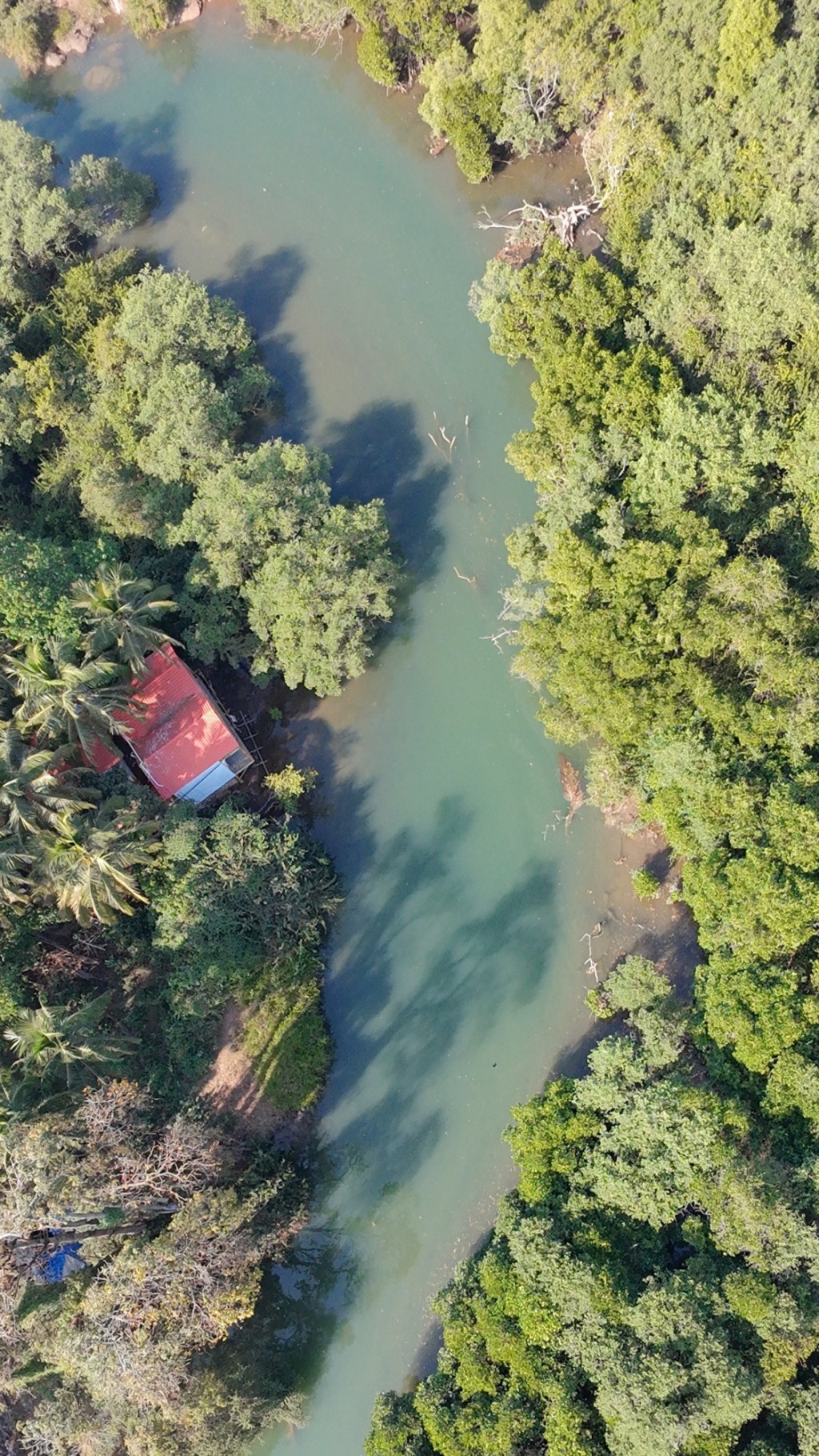
With a “Four a Day” picture diary the idea is to keep things simple and focused by capturing just four photos that define the day, each answering a specific prompt:
Where is it happening?
What are we doing?
Who is involved?
and Why?
Where is it happening?
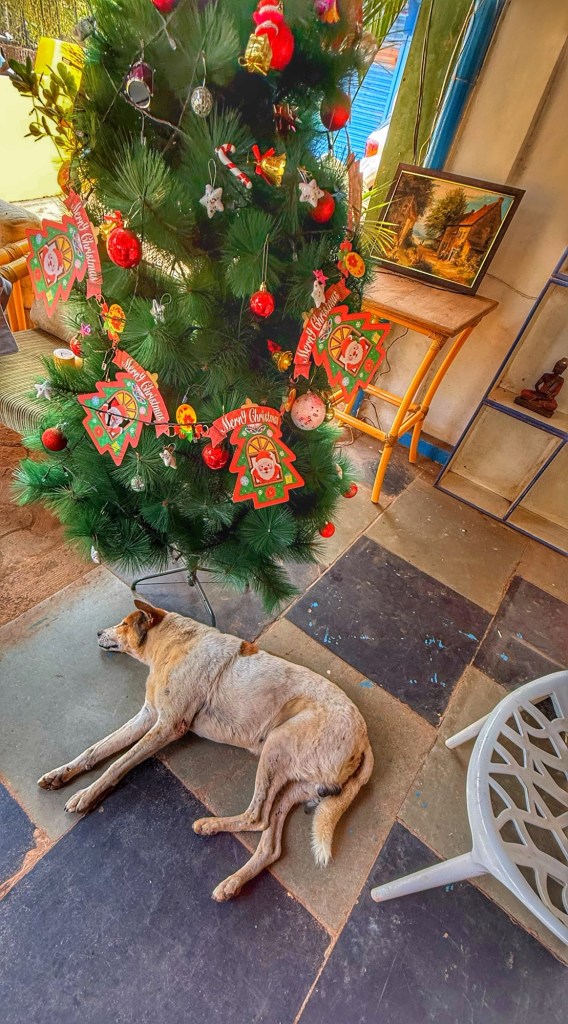
Agonda, Goa.
I don’t normally return to the same place but this is our fourth short stay in Agonda, a sleepy resort in South Goa. I think including somewhere you already know in a trip to new places reduces your cognitive load. Planning a trip to a new place is mentally exhausting. Returning to the same villa or beach allows your brain to truly switch off immediately. I’m pleased that Agonda is pretty much the same place it was when I first visited 16 years ago.
Christmas decorations are still up. Think it will be March before they are down.
What are we doing?
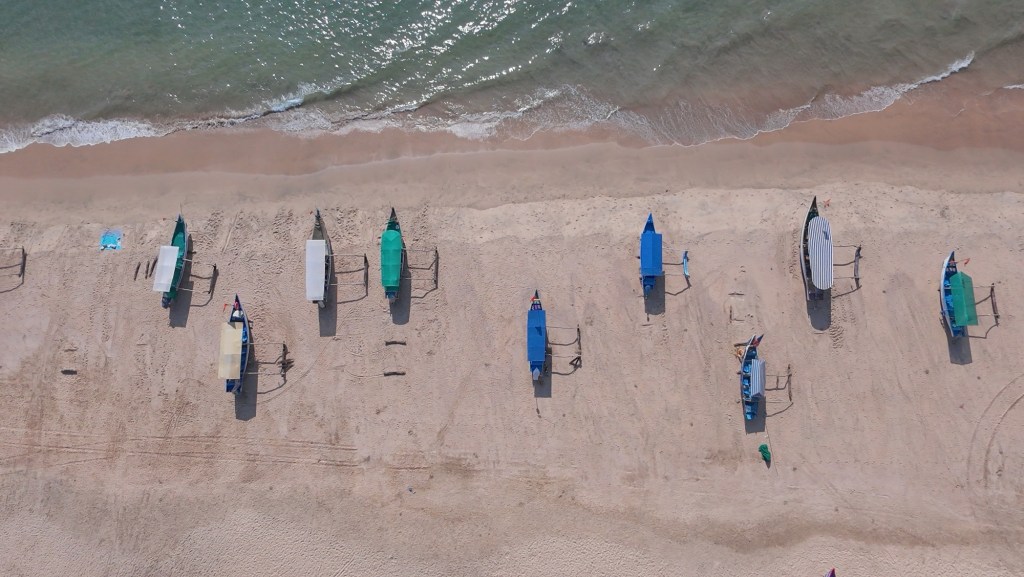
I’m taking a few shots with my DJI Neo drone , which for non geeks is a ‘nano drone’, a lightweight travel option rather than my full kit. Drones are viewed with a lot of suspicion and red tape in India so I didn’t want to risk an expensive confiscation.
It’s interesting, in the 13 years or so since Bromford Lab were mucking around with drones and Google Glass how little has changed.
Drones are still viewed with innovation suspicion whereas smartphones have become fully integrated into daily life.
The ubiquity of the smartphone, despite its immense surveillance potential, is a masterclass in sociotechnical integration. Unlike Google Glass or drones, which were born into immediate suspicion, the smartphone successfully navigated the creepiness threshold by masquerading as a tool of utility rather than a tool of observation.
The primary differentiator is social signaling. A smartphone requires an overt physical gesture to record—the act of holding the device up creates a “public performance” of intent. In contrast, Google Glass and drones suffer from ambient surveillance, where the sensors are “always-on” and the pilot’s intent is invisible. This creates a state of permanent anxiety for bystanders who cannot tell if they are being watched or ignored.
At home, I’ve had a comment in my local Facebook group about ‘perverts looking at our kids in the garden’ when I was simply photographing a Church with a drone. No such qualms are expressed about phones which are in everyone’s hands and (unlike drones) have no code of conduct and require no registration.
The smartphone crossed the line into critical utility long ago. We have traded our privacy for the convenience of banking, navigation, and instant communication. Because the device is tucked away in a pocket when not in use, it respects the “private-by-default” social contract. Google Glass failed because it was a “face-first” technology that couldn’t be ignored, making the wearer a perpetual symbol of ridicule.
We don’t fear the smartphone because we have collectively decided that its benefits outweigh its risks.
Drones? We aren’t so sure.
Who is involved?
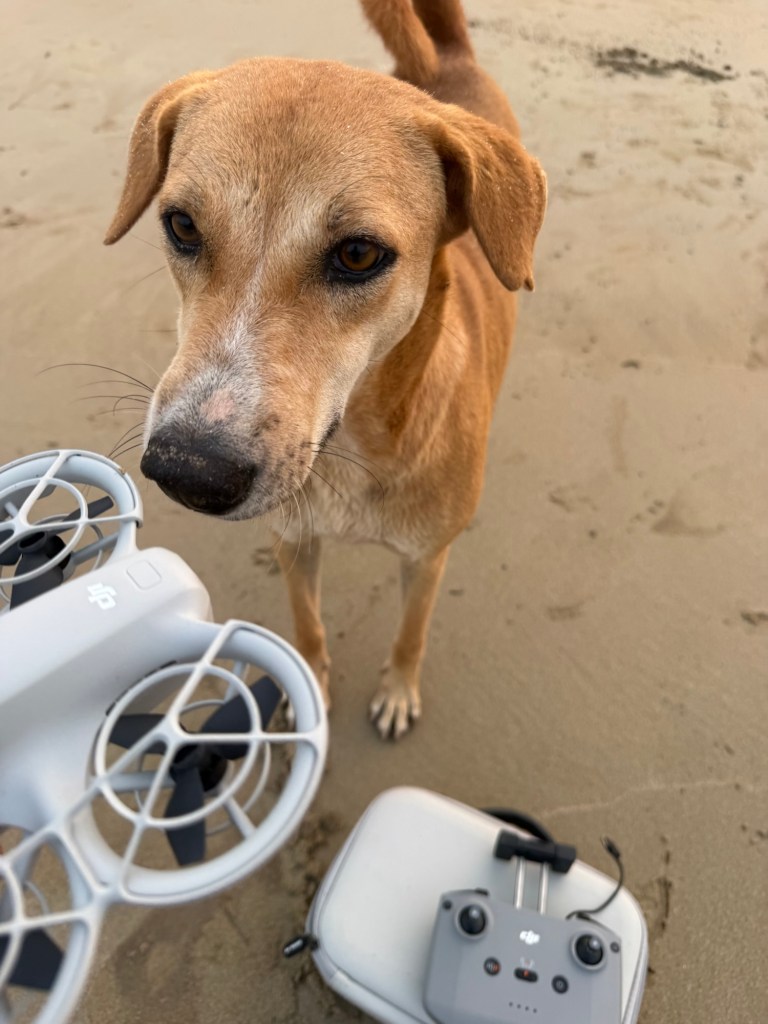
More innovation suspicion from this dog who tried to bite my drone on landing. Was happier when I gave him some chapati.
Why?
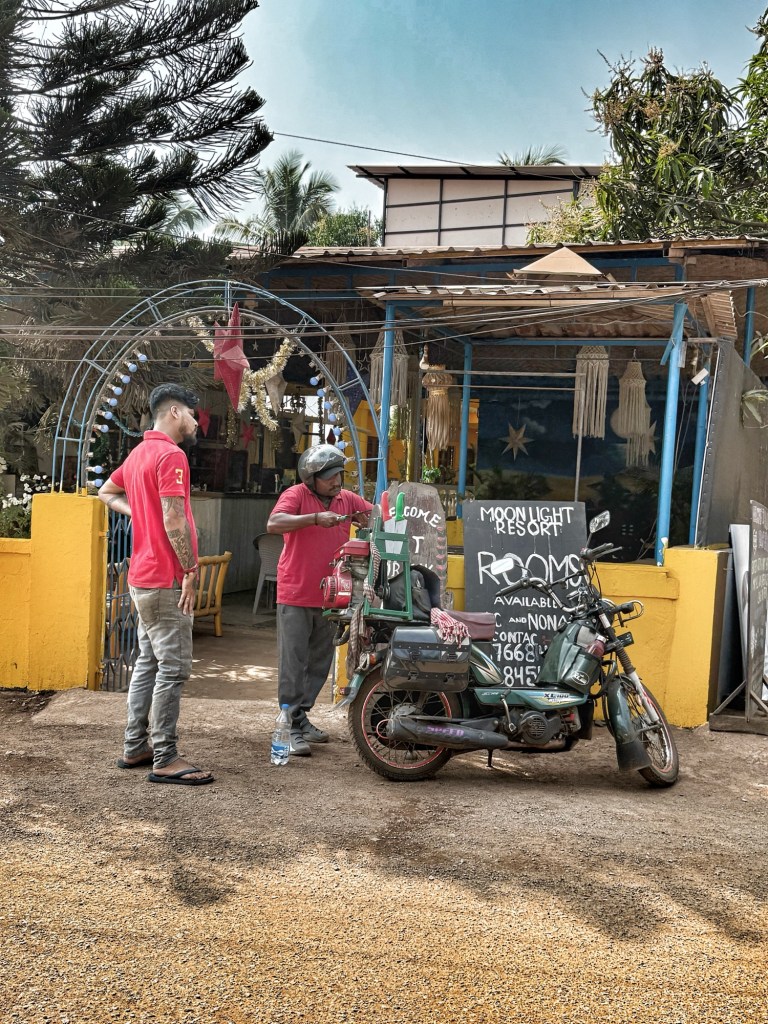
I’ve written about Jugaad innovation many times on this blog. Jugaad is a Hindi word that roughly means ‘solution born from cleverness.’ It’s usually applied to a low cost fix or work-around. In a culture where people often have to make do with what they have it’s an improvised or makeshift solution using scarce resources.
In this picture a moped driver has attached a machine to sharpen knives onto the back. He drives from kitchen to kitchen inviting staff to sharpen their blades. Jugaad is often a mash up of a couple of items to create a third use. The kind of mash up that I imagine would cross the line of risk management in the UK.
Four more soon. If you want even more follow me on instagram
Namaste!

 Paul Taylor
Leave a comment