Social Innovation
-
Reciprocity , The Social Contract, and Talking About Tomorrow Today
Reciprocity is a fundamental social principle where people feel obliged to repay actions in kind. If someone does something for you, you feel a sense of obligation to do something for them in return. In a world sometimes reduced to… Continue reading

-
How Do You Change A System That Doesn’t Want To Change?
There were two recurring P words throughout the New Local ‘Stronger Things’ event in London’s Guildhall. Permission: give it. Power: share it. The Guildhall was built in the 15th century to demonstrate the continuing power of the merchants of the… Continue reading

-
The More We Reduce Conversation, The More We Increase Demand
A few weeks ago I visited a GP surgery with a family member to discuss a few issues that had been bothering them. They were told – with no uncertainty – that they shouldn’t attempt to discuss more than one… Continue reading

-
Moving Beyond Command And Control
The natural reaction of the rule maker when people start breaking the rules is not to redesign them, or seek to understand why, but to issue yet more rules. Continue reading

-
How Can We Move From Demand Led Service In The ‘New Normal’?
In the early hours of Good Friday I found myself undergoing emergency surgery after a complication during an earlier test. Even in the midst of some pretty intense pain I was unwilling to go to hospital – a mixture of… Continue reading

-
Moving From The Reactive To The Pre-Emptive
As Matthew Manos has written, many of us in the social sector are employed in the expectation that the things that go wrong will always go wrong. Indeed, our work often profits from past societal failure rather than the contemplation… Continue reading

-
The Problem With Seeing People As Vulnerable
Never mistake your Twitter feed for your country — Nick Cohen (@NickCohen4) December 12, 2019 Now, more than ever, it’s easier to exist within a bubble. We spend a lot more time communicating through screens than talking face to face.… Continue reading

-
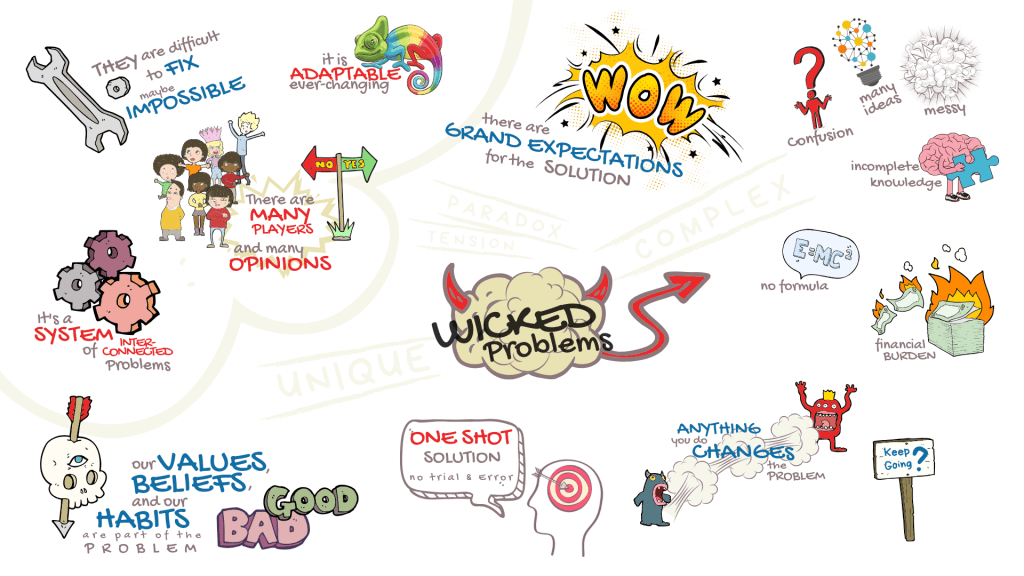
How To Keep Focussed (And Remain Sane) In A World Of Complex Problems
In our heart, we know the solution does not lie in reforming silo by silo but in organizing our silos the way people organize their lives, so that the neighbourhood becomes our primary unit of analysis and change – Cormac… Continue reading
-
If We Don’t Develop Different Relationships, We’ll Lose Our Legitimacy
If we do not respond to people and communities’ desire for power, we will lose our legitimacy and waste the potential of the many ways they can have agency over what matters to them. If we do not continually, bravely work… Continue reading
-
Why Do We Have Such A Problem With Poor People?
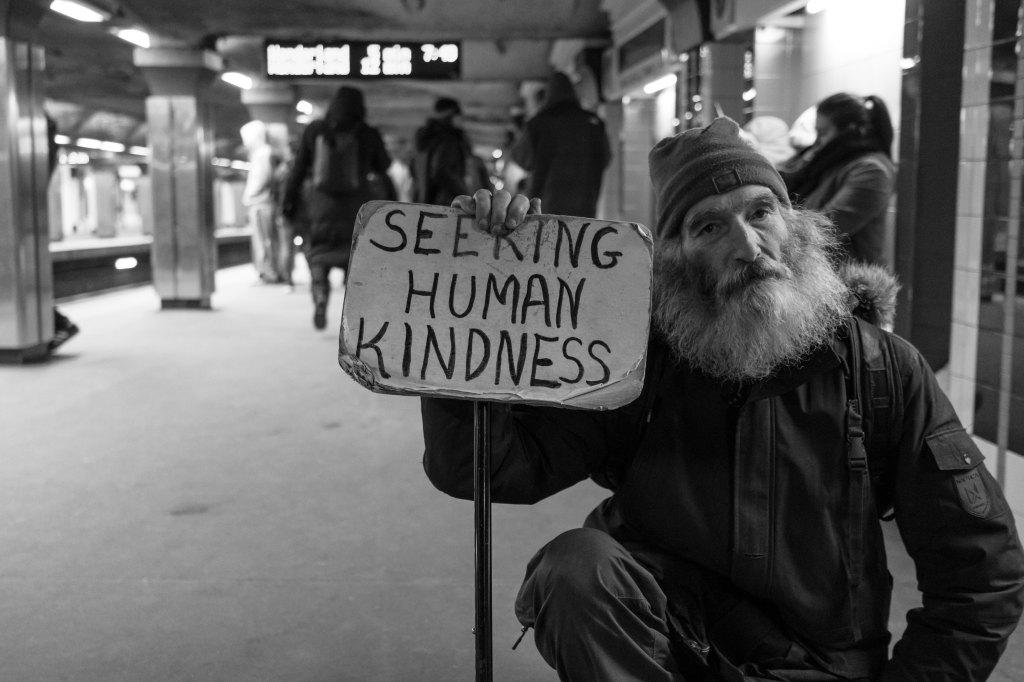
It’s an uncomfortable truth that many of us working in the social sector share exactly the same prejudices about poor people as everybody else. Recognising this is the first step to tackling any stigma I was recently asked to write… Continue reading
-
Communities Need A Different Model – And That Might Not Include Us
Last week I was in Sulawesi, Indonesia, a place none of my family had ever heard of – until a devastating quake and tsunami hit Palu, at which point my phone sprang to life with loads of messages checking that… Continue reading

-
The Problem With Professionals
Social progress is about the expansion of freedom, not the growth of services – Cormac Russell Our digital networks, Twitter, in particular, are unparalleled listening tools. I follow thousands of accounts, many organised into lists so I can get a sense… Continue reading

-
Reshaping Organisations Around What’s Strong – Not What’s Wrong
“ECONOMICS ARE THE METHOD: THE OBJECT IS TO CHANGE THE SOUL” This (pretty chilling) quote comes from Margaret Thatcher in 1981 – and ushered in an era that promoted the belief that social progress is achieved through the accumulation of wealth… Continue reading

-
How To Design For Better Outcomes
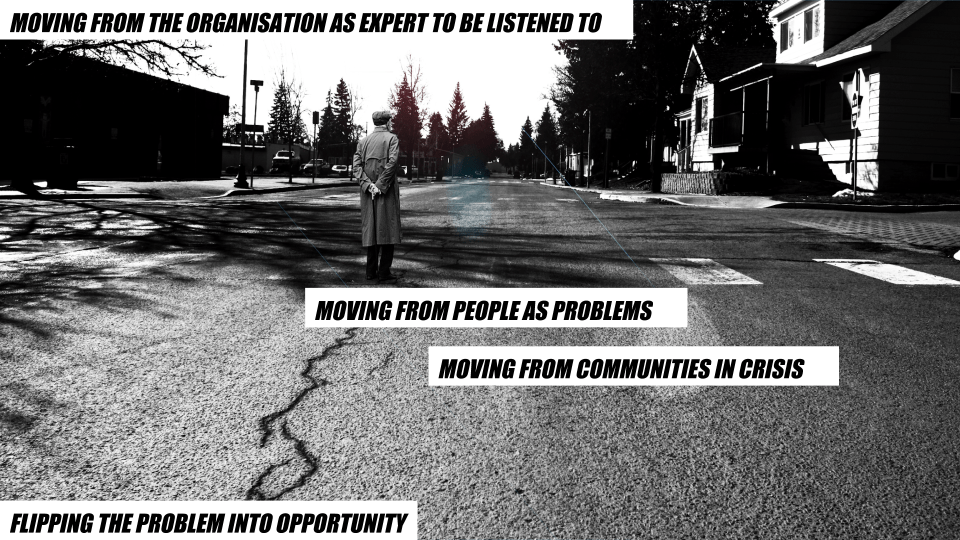
Our job is to the mind the gap between the bureaucracy of our systems and the opportunities in our communities – Cormac Russell Sometimes it’s preferable to pull the plug on a service before you see it collapse in front of… Continue reading
-
How Not To Solve The Health, Housing and Care Crisis
Crisis (noun) ‘a time of intense difficulty, trouble, or danger’. ‘a time when a difficult or important decision must be made.’ The housing crisis can no longer be ignored. Neither it appears can the crisis in health. And nor can the… Continue reading

-
How Much Good Does Your Organisation Really Achieve?
We don’t usually think of achievements in terms of what would have happened otherwise, but we should. What matters is not who does good but whether good is done.” ― William MacAskill, Doing Good Better We all love an uplifting… Continue reading

-
How Do We Know Our Organisations Are Really Succeeding?
Every day, organisations promise to make the world a better place. How do we know they are really succeeding? The National Health Service we are told is the world’s best healthcare system. Yet the NHS has a poor record on one fairly… Continue reading

-
Is Your Organisation Making The Impossible Possible?
2016 was the year the social media bubble burst. The year we woke up to the fact that – despite what Twitter and Facebook tell us – a lot of people think exactly the opposite to what we do. It… Continue reading

-
Moving Away From The Reactive Organisation
Our job is to the mind the gap between the bureaucracy of our systems and the opportunities in our communities – Cormac Russell The first step is realisation. Accepting that most of us in the social sector are employed because… Continue reading

 Paul Taylor