innovation
-
The Watery Tomato: Why Most Innovative Practice Doesn’t Scale
In late 2024, Scottish midfielder Scott McTominay moved from Manchester United to Napoli. He was an elite athlete, at the peak of physical performance, who had spent all his life in the UK. Yet, within weeks of arriving in Southern… Continue reading

-
Fixing The Foundations Vs Innovation Leapfrogging
India, the worlds most populous country, has a vibe about it that contrasts starkly with the UK. It’s not just vibes, there’s data to back it up. India currently sits near the top of the global optimism charts, with 69%… Continue reading

-
Are Small Companies Really Better At Innovation?
Large organisations kill innovation not by size, but by inertia. To avoid this, we must embrace organisational ambidexterity—balancing core efficiency (exploitation) with radical flexibility (exploration). That’s why I believe our model of place based working – the blueprint of which… Continue reading
-
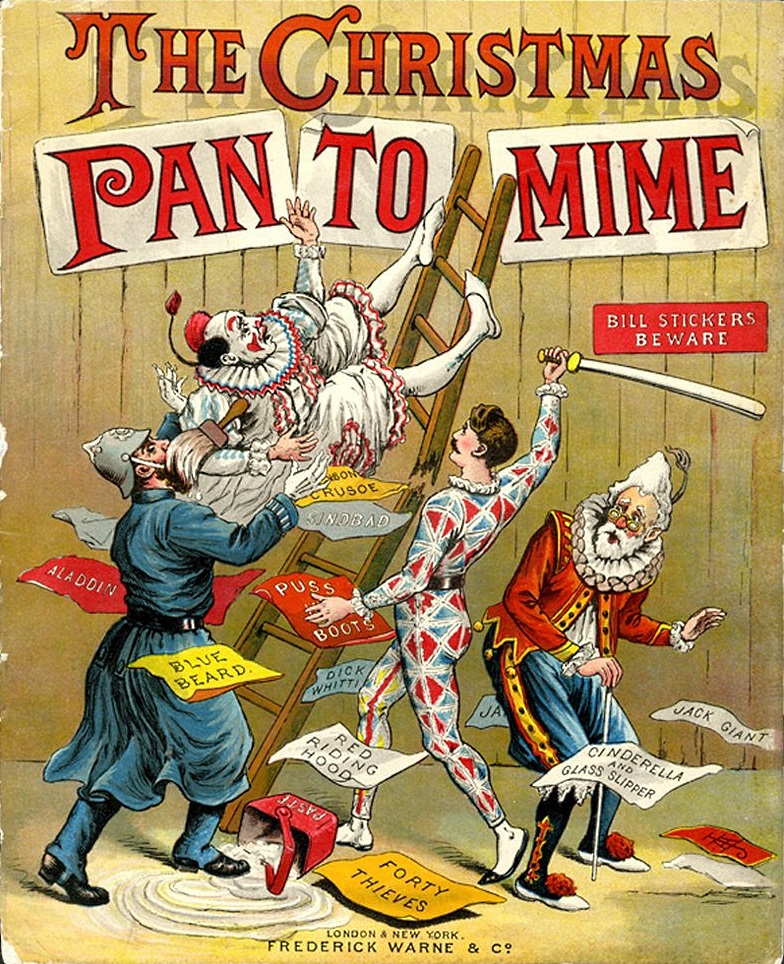
Avoiding Innovation Pantomime: Capability vs. Capacity
We all like a bit of theatre, but unless you focus on your strategy, and turn those ideas into actions that change colleagues and customers lives, you risk something worse. The endless idea challenges that go nowhere, the hackathons, the… Continue reading
-
The Anatomy of a Bad Idea
Bad ideas can share several features: They take a complex problem and apply a one-shot solution: the silver bullet that ignores the root cause. They are easy to understand, and don’t require you to know much about the subject. They… Continue reading

-
The Batcave of Innovation: Disruptive Thinking in Healthcare
“The biggest users of pagers are drug dealers, Hezbollah and the NHS” Why has Alder Hey Children’s Hospital innovated in ways the NHS cannot? It’s all about First Principles.. Continue reading

-
The Growing Bureaucratisation Of Life
Many organisations , without realising it , act as inhibitors of creativity. Rules and protocols are put in place – often for very good reasons – that preserve the status quo. Over time, organisations develop a set of social norms – ‘the way we… Continue reading

-
The Abilene Paradox And The Dangers of Assuming People Agree With You
The Abilene Paradox is a situation in which a group makes a decision that is contrary to the desires of the group’s members, because each member assumes the others approve of it. It’s titled after an example used by Jerry… Continue reading

-
Technology Is Not Innovation.
For all the talk of technology, let’s remember we are human businesses and we exist to help other humans do better in life. It’s our only real purpose. So let’s think how we can use technology to leverage the huge… Continue reading

-
Work Is Mostly Mundane. And That’s Not A Bad Thing
Just like the modern world implores that we should be happy all the time (we aren’t and we are not meant to be), the modern workplace wants everyone to be engaged, energised and innovative when they simply don’t need to… Continue reading

-
Do You Really Need An Innovation Strategy?
Do you really need an innovation strategy? I say no. You need a strategy that sets out a challenge and invites everyone to ask questions and go on a journey of discovery. A strategy that is founded on principles of… Continue reading

-
Innovation Doesn’t Happen By Accident
Trickle down innovation, just like trickle down economics, doesn’t trickle down very far at all. When leaders are implored to innovate they often go for the easiest and most attractive option, innovation theatre: You bring someone in to give an… Continue reading

-
The Creativity Productivity Paradox
You can’t endorse a top-down authority structure and be serious about enhancing adaptability, innovation, or engagement. Gary Hamel Employers are facing a conundrum: a generational gap in job satisfaction. Research seems to indicate that while Gen Z and millennial workers… Continue reading

-
Turning Constraints Into Innovation Opportunities
As we enter a further period of economic uncertainty we will undoubtedly see a slash and burn approach to cost reduction in many of our organisation’s. An impending crisis often triggers suboptimal decision making that tends to focus on survival… Continue reading

-
When Leaders Talk About Innovation, Always Be Sceptical
Declare yourself an innovation company and celebrate creativity, by all means. Then treat your employees to a little seminar in business history that emphasizes real-life time frames and the numbing necessity of trial and error, trial and error, trial and… Continue reading

-
Society Has Digital Transformed, But It Isn’t Evenly Distributed
We often blame innovations for the way they make our lives faster, busier, more intrusive, but in reality our core human behaviours and beliefs are slow to change. Marchetti’s constant, named after Italian physicist Cesare Marchetti, is the principle that… Continue reading

-
How Do You Solve A Problem Like The NHS?
There comes a point when numbers get so big as to become near incomprehensible. Almost five million people are waiting for health treatment in England alone. Almost 1.2m of them have been waiting at least six months for ‘vital appointments’.… Continue reading

-
Remote Work Is Always Efficient But Efficient Isn’t Always Effective
There is surely nothing quite so useless as doing with great efficiency what should not be done at all. Peter Drucker This week marked my return to in-person facilitation after 16 months. I’m not going to lie. As I began… Continue reading

-
Why We Fail To Predict The Future
rns out very different than we imagine. The more our organisations actively think about the future the easier it becomes to close the future gap and put yourself into that future. Continue reading

-
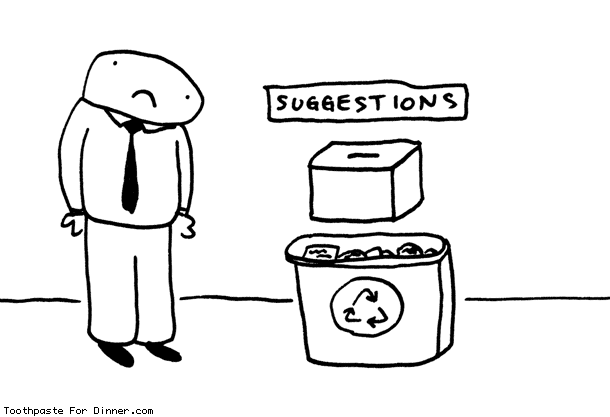
Why The Employee Idea Scheme Doesn’t Work
The concept of asking employees to share their ideas to drive innovation is always a good one. Unfortunately, the traditional suggestion scheme is, in my opinion, not the way to go about it. Continue reading
 Paul Taylor