Paul Taylor
-
How Not To Involve Customers
In 1985 one of the biggest brands in the world nearly destroyed itself – by listening to what customers said. Coca-Cola developed a product dubbed “New Coke” that was slightly sweeter than the original. Almost 200,000 blind taste tests were… Continue reading

-
Know Your Customers, Just Never Ask Them What They Want
We do not really know what our potential users will really respond to, what they will understand or what they’ll hate until we really see them using it –Jonathan Courtney If you are working on any new service change or… Continue reading

-
How Automation Helps Us Solve The Problems That Matter
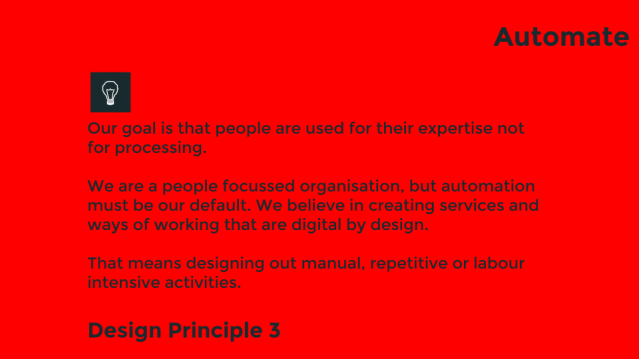
“One machine can do the work of fifty ordinary men. No machine can do the work of one extraordinary man.” – Elbert Hubbard Automation gets a bad rap. The original draft of our design principles stated “Automate everything that can be automated”. People… Continue reading
-
Why We Solve The Wrong Problems
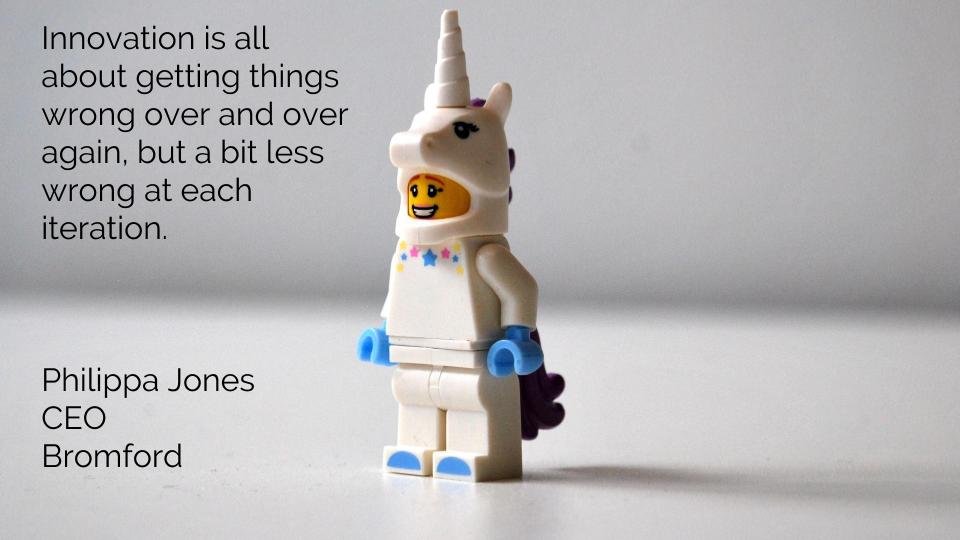
Everywhere I look I see organisations and people investing heavily in new initiatives, transformation, and change programmes. And in almost every case the goals will never be met. One of the most crucial causes of the failure? The right questions were… Continue reading
-
Why We Love Silo Working And What To Do About It
In 1988 Phil. S. Ensor coined the term the functional silo system. His contention was that narrow, specialised teams and jobs were easy to manage but imposed a very damaging learning disability on the organisation. We become focused on addressing organisational… Continue reading

-
Embracing Challenge to Build a Stronger Innovation Culture
Just as your body is designed to fight a common cold, most of our cultures protect the organisational DNA from any antibodies. Add something new and it can get rejected. As Chris Bolton has written organisations can have immune systems and… Continue reading

-
Why Collaboration Does Not Equal Innovation
Transformation can’t happen without discovery and discovery can’t happen without experimentation. It’s a new year and at Bromford we are planning a reboot of our approach to innovation (actually we are planning a reboot of everything). My emerging thoughts are… Continue reading
-
Is Your Organisation Making The Impossible Possible?
2016 was the year the social media bubble burst. The year we woke up to the fact that – despite what Twitter and Facebook tell us – a lot of people think exactly the opposite to what we do. It… Continue reading

-
Most Services Launched This Year Will Fail – Here’s Why
According to Clayton Christensen , 30,000 new consumer products are launched every year—and 95% of them fail. There’s no equivalent figure available for the public or social sectors – but I’ve been wondering how many services have been launched in… Continue reading

-
How To Fast Track Innovation
If you speak at conferences about innovation you’ll almost always encounter some frustrated people. They approach you at the end, or contact you a few days later. They often have one thing in common. They, and others like them ,… Continue reading

-
Standing Out and Keeping Attention in the Digital Age
24hrs before Donald Trump – who communicates almost exclusively via Twitter and YouTube – became President Elect I was in conversation with Grant Leboff at the first Comms Hero event in Cardiff. “He’ll win” said Grant. “He’s changed the narrative.… Continue reading

-
Technology Won’t Kill Meetings – But We Can
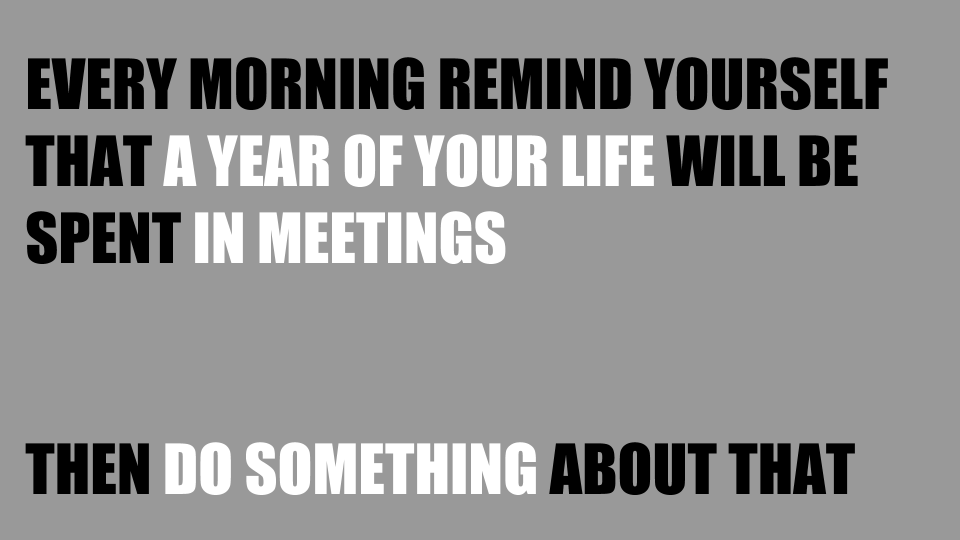
Technology failed us. We thought the world of work was to be reimagined. The death of the office. The end of email. A utopia of work/life integration fueled by work-where-you-want technology. It hasn’t happened. Six years ago 2.8 million people… Continue reading
-
Moving Away From The Reactive Organisation
Our job is to the mind the gap between the bureaucracy of our systems and the opportunities in our communities – Cormac Russell The first step is realisation. Accepting that most of us in the social sector are employed because… Continue reading

-
Building Trust and Standing Out in the Digital Age
In many ways the events of 2016 are less a surprise and more the logical outcome of what we already knew. As I wrote early last year – we are in an era of ‘trust deficit’ – where more people distrust institutions… Continue reading

-
Is the social sector really getting better at learning from failure?
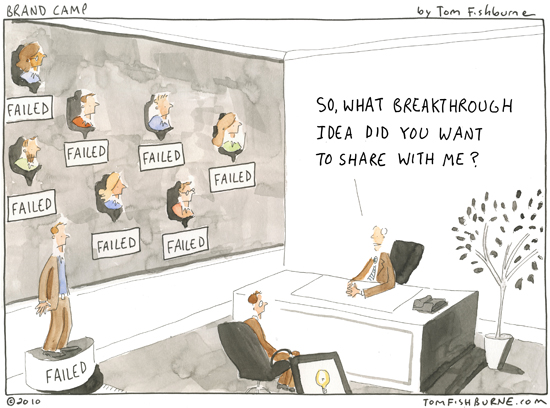
Guest post with Shirley Ayres , Chris Bolton and Roxanne Persaud Innovation in the digital sphere can be complex and risky and there are not sufficient opportunities to share learning from failure. One year on from the Practical Strategies For Learning… Continue reading
-
Using Design Principles to Describe What Transformation Means
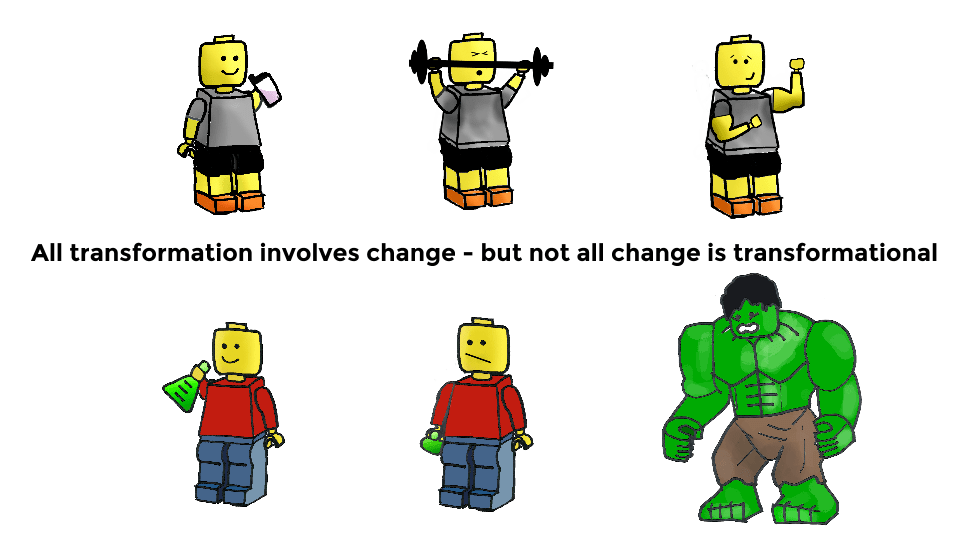
Digital transformation to me is about the transformation of organisations from silos, outsourced capability and murky strategic goals, to being an organisation that understands the vision, that knows where it delivers the most value and how to focus on it… Continue reading
-
Five Ways Social Media Can Inspire Creativity
Can Twitter make employees more innovative? In our study, Twitter users and non-users generally submitted the same number of ideas at work. However the ideas of Twitter users were rated significantly more positively by other employees and experts than the… Continue reading

-
Lessons in Rapid Experiments and Learning from Failure
In 1943, the U.S. Airforce met with Lockheed Aircraft Corporation to express their need for a fighter plane to counter a rapidly growing Nazi jet threat. Because of the need for secrecy “Skunk Works”, as it became known, was allowed… Continue reading
-
Designing Out Problems Through Networks
On Monday I attempted my swiftest ever return to work after a trip. My plane from Zanzibar via Kilimanjaro and Doha landed at 6am. I was home by 8:30am, online by 9 and in work by 11.30am. I felt like… Continue reading

-
Using Weak Signals To Determine Your Future Organisation
“Weak signals consist of emergent changes to technology, culture, markets, the economy, consumer tastes and behaviour, and demographics. Weak signals are hard to evaluate because they are incomplete, unsettled and unclear” – Vijay Govindarajan. Luckily for us the future doesn’t… Continue reading

