Paul Taylor
-
Have we lost our ability to do big, ambitious things as communities?
The system has constrained the ability for local innovation by drawing resources , power and control to the centre. If you’re part of publicly focused services you are part of that same system Continue reading

-
Our Obsession With League Tables, And The Performance Paradox
This is our classic paradox: the metrics and targets that are intended to drive improvement can create a powerful set of incentives that actually work against the very innovation and risk-taking we need to strive for. Continue reading

-
How To (Re)Build An Innovation Lab
Bromford Lab is dead. But what comes next? And how can we build upon the lessons we learned? Continue reading

-
Digital Transformation and Our Failure To Learn From Past Mistakes
The cyclical nature of public sector failure is a testament not to a lack of intelligence or goodwill, but to a deeply ingrained resistance to genuine learning. It’s a system designed for stability, not innovation. The very structures that make… Continue reading

-
The Way Out of The ‘Performance Myth’
The Performance Myth reduces individuals to commodities or “performers,” whose value is contingent on meeting predefined metrics. This leads to a workplace culture where employees are constantly evaluated not for their creativity, integrity, or contributions to collective well-being, but for… Continue reading

-
The Problem with a Narrow Focus on Efficiency
Being efficient is not half as effective as conventional management would like to think. Continue reading

-
Sectors Reimagined as Products, and the Move to Agile Place
What if agile places could save the public sector? What if we stopped thinking of individual sectors and started thinking about of them as ‘products’ that require interoperability? An ‘agile place’ view demands a radical shift. It pushes us to… Continue reading

-
Transforming Public Services with Agile Principles
Applied outside of tech agile can usher in a fundamental shift from rigid, top-down planning to a dynamic, iterative, and, crucially, person-focused approach. Think about our place-based working experiments. What we understood, fundamentally, is that the answers to local problems… Continue reading

-
The Missing Ingredient For Community-Led Innovation Is Permission
The bigger the unit the more pessimistic we get about it. When faced with vast issues like global warming or national debt, we feel a deep lack of control and efficacy. Conversely, smaller units of change, like a local community,… Continue reading

-
Can Institutions Decline Like Civilisations?
Many of our institutions are in decline. The average lifespan of a civilisation is 336 years, Big companies used to have a lifespan of 61 years, now it’s down to 18. If all civiisations fall. then surely so must all… Continue reading

-
What I Got Wrong About Innovation and Design
A hospital stay during COVID-19 revealed a surprising truth to me: bureaucracy’s thaw unleashed frontline innovation. As staff bypassed rigid rules, care improved, highlighting the power of bottom-up change. This experience challenges traditional innovation models, advocating for organisational redesign and… Continue reading

-
The Small Challenge For Big Companies
Small = Optimised for Innovation Research suggests that smaller teams are more optimised for innovation. Indeed, as Dashun Wang and James A. Evans write for HBR, large teams can be better at development and deployment, but small teams are better at disruption. Their analysis… Continue reading

-
The Myth of Centralisation
The enemy of innovation is the management desire to centralise everything. Centralisation is often touted as being more efficient but it’s nothing of the sort. In truth it is a simply a corporate power grab, an attempt to control, to… Continue reading

-
Community Memory Outlasts Organisational Memory
Corporate amnesia or ‘institutional forgetting’ is a phenomenon where organisations lose valuable knowledge, experience, and insights over time. This can be a gradual process or a sudden occurrence, and it can have significant negative impacts on an organisations performance, decision-making, and… Continue reading

-
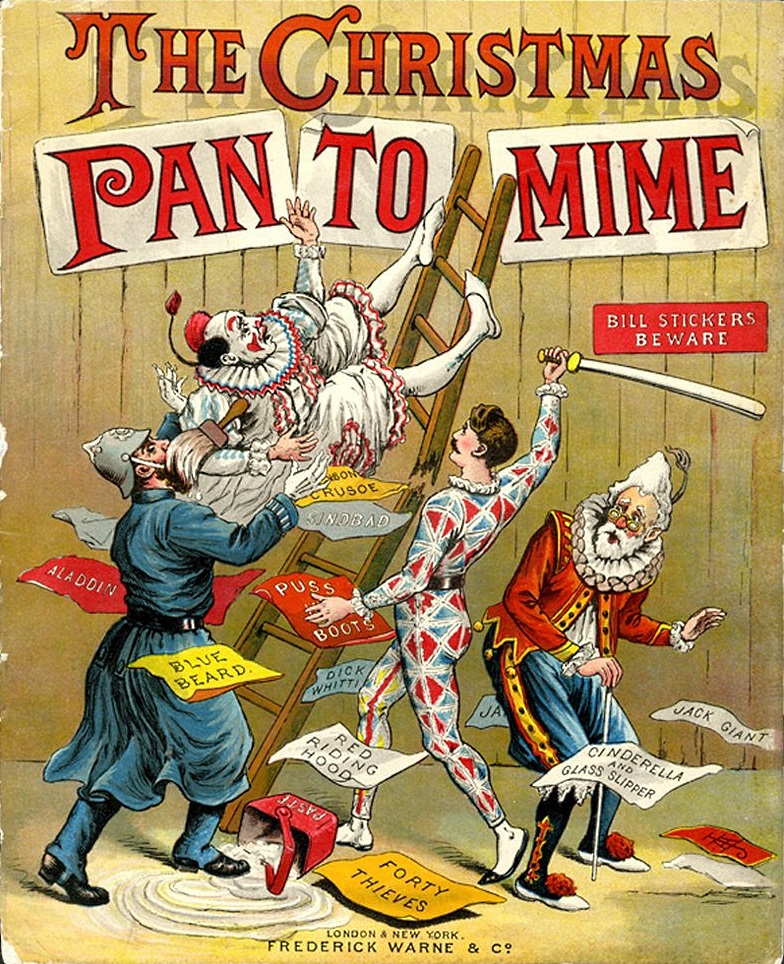
Avoiding Innovation Pantomime: Capability vs. Capacity
We all like a bit of theatre, but unless you focus on your strategy, and turn those ideas into actions that change colleagues and customers lives, you risk something worse. The endless idea challenges that go nowhere, the hackathons, the… Continue reading
-
Our Productivity Problem Is Linked To Meaningless Measurement
“What gets measured gets managed—even when it’s pointless to measure and manage it, and even if it harms the purpose of the organisation to do so” There is an opportunity cost to measurement. It can set a very odd behaviour… Continue reading
-
Reciprocity , The Social Contract, and Talking About Tomorrow Today
Reciprocity is a fundamental social principle where people feel obliged to repay actions in kind. If someone does something for you, you feel a sense of obligation to do something for them in return. In a world sometimes reduced to… Continue reading

-
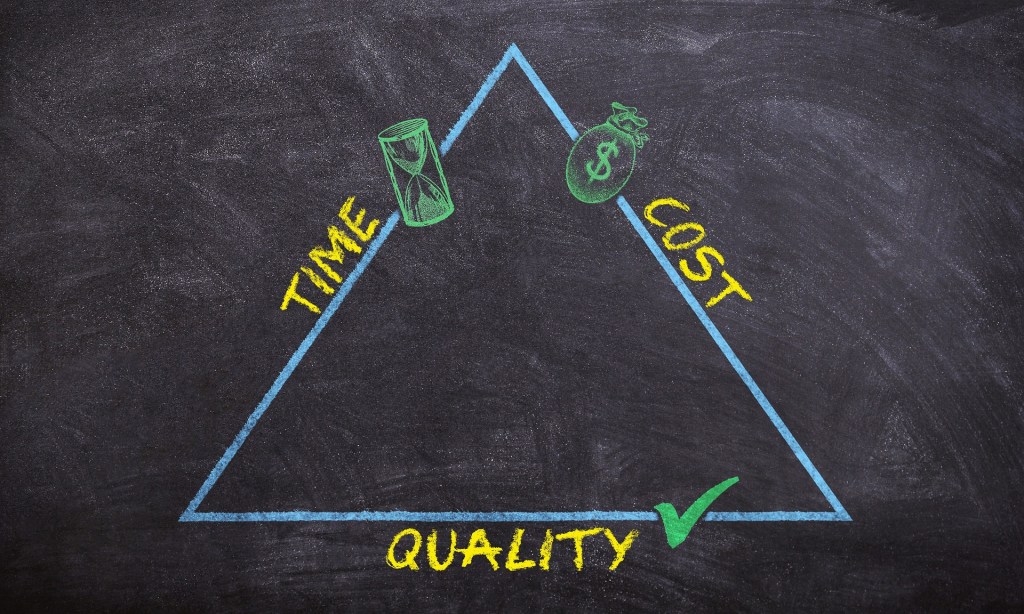
Do We Need A Department of Effectiveness?
As things get really tight, it will feel like the safe thing to do is stick with what you know. Double down on the same processes, hire the same people and hope technology will save us. The problem of course… Continue reading
-
The Anatomy of a Bad Idea
Bad ideas can share several features: They take a complex problem and apply a one-shot solution: the silver bullet that ignores the root cause. They are easy to understand, and don’t require you to know much about the subject. They… Continue reading

-
The Batcave of Innovation: Disruptive Thinking in Healthcare
“The biggest users of pagers are drug dealers, Hezbollah and the NHS” Why has Alder Hey Children’s Hospital innovated in ways the NHS cannot? It’s all about First Principles.. Continue reading

 Paul Taylor