Paul Taylor
-
Analysis Paralysis and The Threat To Innovation
A much delayed first post of 2023, which has been for a couple of reasons. Firstly I’ve taken a super relaxing break and switched off completely rather than my usual rambling around. I’ve been staying in one of those Caribbean… Continue reading

-
Designing For Ambiguity
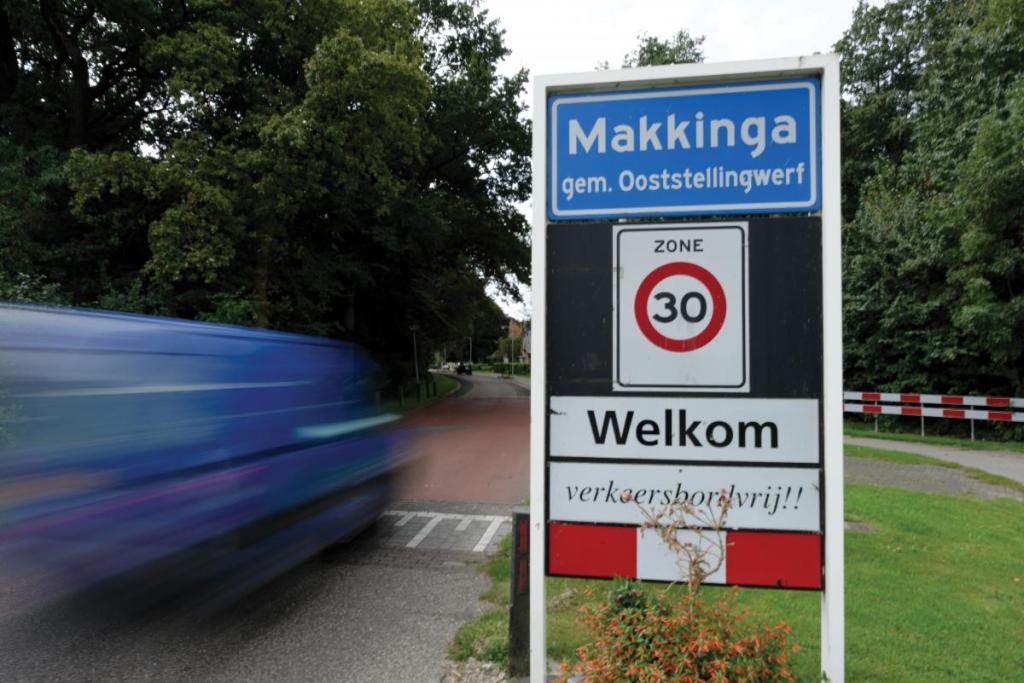
When you introduce ambiguity, rather than control, into a system, people think for themselves and find a way to reach the right answer. Mark McArthur Christie The only traffic sign in the small northern Dutch village of Makkinga says ‘Verkeersbordvrij’ which translates… Continue reading
-
Why Big Teams Keep Getting Bigger
Large teams, like large movie studios, are more likely to generate sequels than produce anything new Continue reading

-
What To Do When You’ve Become A Legacy Organisation
The outside world can push you into Day 2 if you won’t or can’t embrace powerful trends quickly. If you fight them, you’re probably fighting the future. Embrace them and you have a tailwind Jeff Bezos Highlight of my week… Continue reading

-
Turning Constraints Into Innovation Opportunities
As we enter a further period of economic uncertainty we will undoubtedly see a slash and burn approach to cost reduction in many of our organisation’s. An impending crisis often triggers suboptimal decision making that tends to focus on survival… Continue reading

-
The Unintended Consequence of Putting People in Boxes
The world’s population will reach 8 billion sometime in November 2022, and each one of those people has a different personality, different background and different set of values – making us all unique. You wouldn’t know it though if you… Continue reading

-
Understanding The System Beats Recruiting People Every Time
How much better off would we ALL be, if all the resources poured pointlessly into chasing talent were instead poured into understanding systems, and systems thinking? The Quintessential Group This week I got the opportunity to speak at the prestigious… Continue reading

-
Few People Get Promoted For Asking Difficult Questions
Research indicates that even when everyone within a group recognizes who the subject matter expert is, they defer to that member just 62% of the time; when they don’t, they listen to the most extroverted person Khalil Smith Innovation must be founded… Continue reading

-
Where Do We Start When So-Much-Is-Happening-All-At-Once?
Companies have been punched in the mouth, and whether they had or did not have a plan, it’s time for a new one. And not just a plan to deal with this or other viruses, but a completely reconsidered society.… Continue reading

-
If A Third Of What We Do Is Waste – Why Can’t We See It?
How do we create an environment where saying something is a waste of time is a good thing? Andy Tabberer There’s a fairly repeatable pattern in the behaviour of CEOs when they near retirement or leave the workforce entirely. They… Continue reading

-
The Growing Immunity To ‘Change Management Bullshit’
In an era of competing and conflicting crises few things are certain. One thing we can count on though is our organisational ability to cope with change is going to be stretched to breaking point. This is concerning as our… Continue reading

-
The Problem With Chasing Zeroes
Stowe Boyd posed a very good question in response to my recent piece on colliding crises. “What if crises are not of the sort that can be attacked and surmounted in a ‘short period of time’? The US housing crisis (and UK)… Continue reading

-
When Leaders Talk About Innovation, Always Be Sceptical
Declare yourself an innovation company and celebrate creativity, by all means. Then treat your employees to a little seminar in business history that emphasizes real-life time frames and the numbing necessity of trial and error, trial and error, trial and… Continue reading

-
When Everything Is A Crisis, Nothing Is
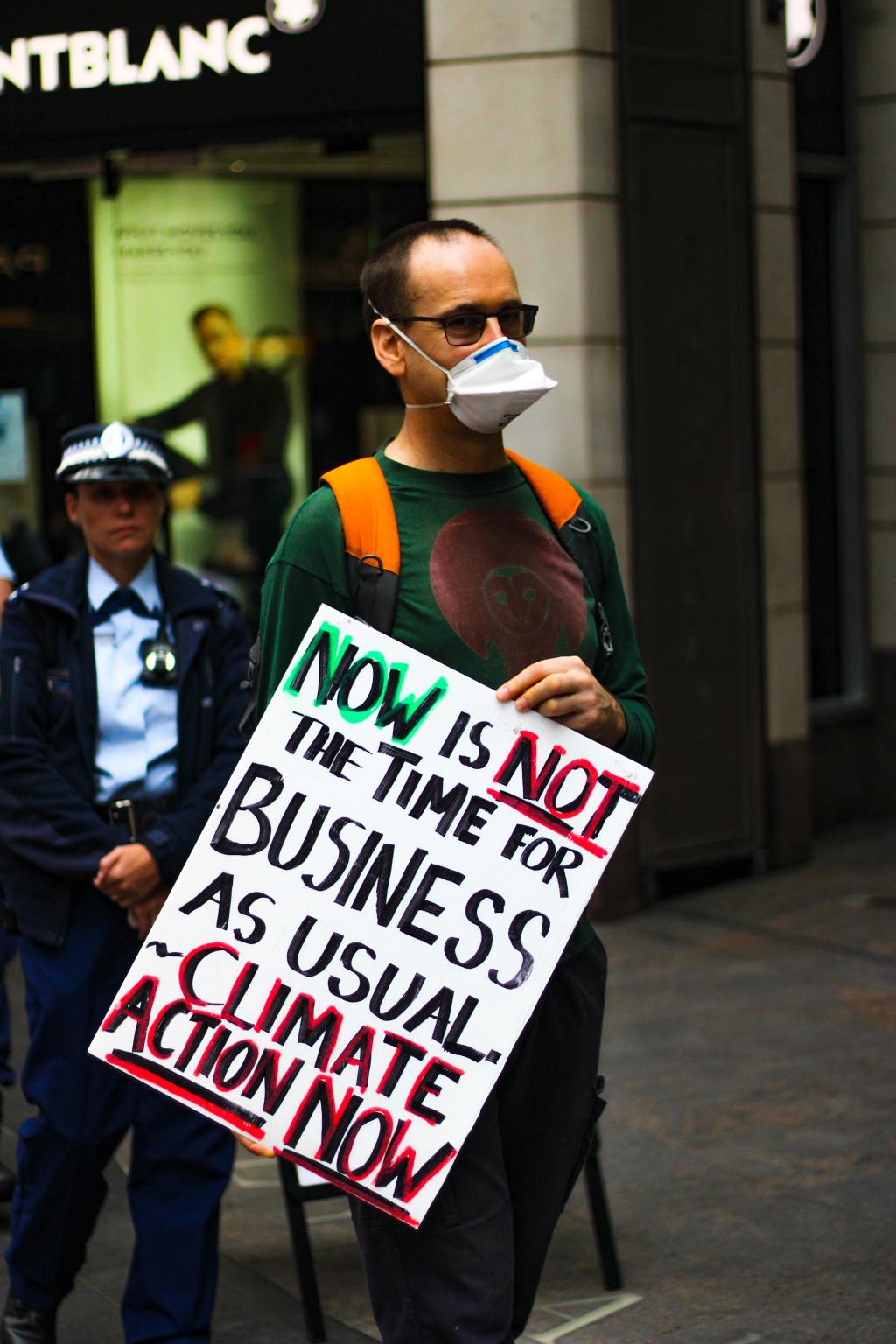
Who would win in a fight between the housing crisis in one corner and monkeypox in another? We live in a world that now has competing, intersecting, and sometimes conflicting crises. There are the old standards like the climate crisis,… Continue reading
-
Do Poor People Waste Money More Than Anyone Else?
Ever since I first started working in social housing, there’s been one trope that’s never really gone away. Poor people waste money. I was only a week into my first job when I was told that tenants kept spending money… Continue reading

-
The More We Reduce Conversation, The More We Increase Demand
A few weeks ago I visited a GP surgery with a family member to discuss a few issues that had been bothering them. They were told – with no uncertainty – that they shouldn’t attempt to discuss more than one… Continue reading

-
How To Make A Paradigm Shift
Last week I was in Amsterdam with the Disruptive Innovators Network (you can read my daily updates, here, here, and here) and it got me thinking about how we make the shift from current behaviours and ways of operating. Travelling… Continue reading

-
How To Make A Manager Receptive To Your Idea
According to Gallup , only 30% of employees strongly agree that their opinions seem to count at work – and less than 1 in 10 report having the freedom to take risks to improve products and services. Amy Edmondson is… Continue reading

-
Do People Really Want Community-Led Solutions?
Trust in national politics appears to be tanking across the board – both blurring and eroding traditional allegiances to the left or right. 63% of people now believe politicians are mainly in it for themselves. Most strikingly, only 5% (one… Continue reading

-
Society Has Digital Transformed, But It Isn’t Evenly Distributed
We often blame innovations for the way they make our lives faster, busier, more intrusive, but in reality our core human behaviours and beliefs are slow to change. Marchetti’s constant, named after Italian physicist Cesare Marchetti, is the principle that… Continue reading

 Paul Taylor