Innovation
-
The Overton Window: How Unthinkable Ideas Become The Norm
The concept of the Overton Window – the range of ideas, policies, and arguments deemed acceptable to the mainstream population – was developed in the early 1990s by Joseph P. Overton, an electrical engineer turned policy wonk. Overton maintained that… Continue reading

-
The Watery Tomato: Why Most Innovative Practice Doesn’t Scale
In late 2024, Scottish midfielder Scott McTominay moved from Manchester United to Napoli. He was an elite athlete, at the peak of physical performance, who had spent all his life in the UK. Yet, within weeks of arriving in Southern… Continue reading

-
Fixing The Foundations Vs Innovation Leapfrogging
India, the worlds most populous country, has a vibe about it that contrasts starkly with the UK. It’s not just vibes, there’s data to back it up. India currently sits near the top of the global optimism charts, with 69%… Continue reading

-
Why Don’t We Enable More Heretical Thinking At Work?
In today’s corporate environment, the instinct of the system is to demand order, predictability, and consensus. Yet, the reality facing us is that nearly half of CEOs don’t think their organisations will survive 10 years unless they radically change path.… Continue reading

-
Are Small Companies Really Better At Innovation?
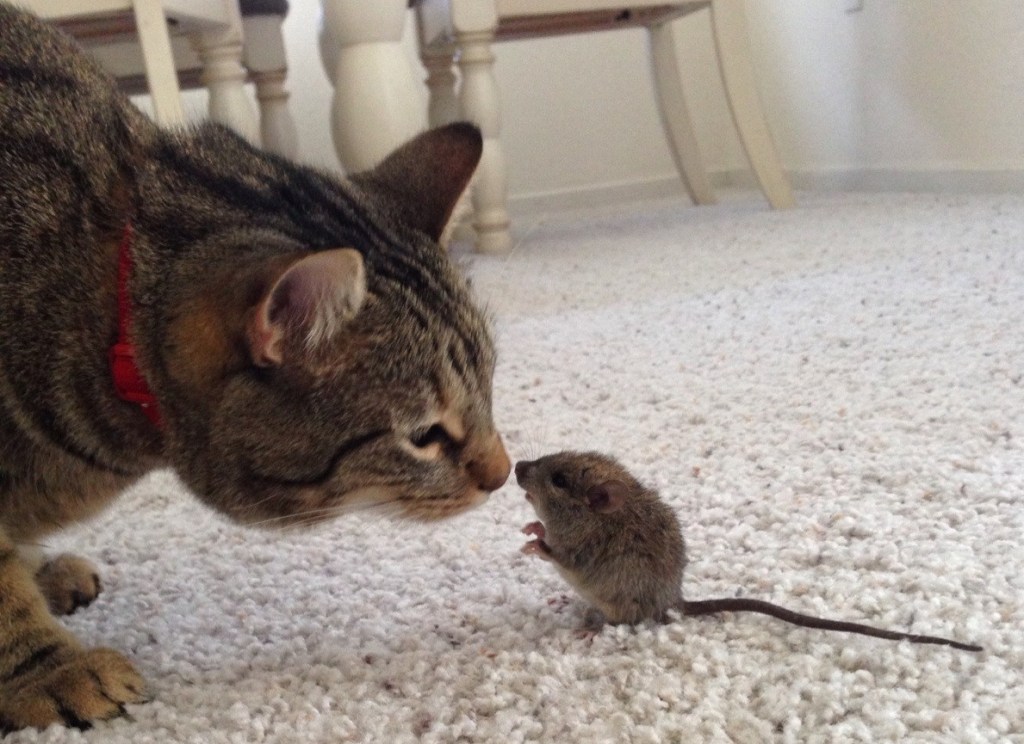
Large organisations kill innovation not by size, but by inertia. To avoid this, we must embrace organisational ambidexterity—balancing core efficiency (exploitation) with radical flexibility (exploration). That’s why I believe our model of place based working – the blueprint of which… Continue reading
-
How To (Re)Build An Innovation Lab
Bromford Lab is dead. But what comes next? And how can we build upon the lessons we learned? Continue reading

-
What I Got Wrong About Innovation and Design
A hospital stay during COVID-19 revealed a surprising truth to me: bureaucracy’s thaw unleashed frontline innovation. As staff bypassed rigid rules, care improved, highlighting the power of bottom-up change. This experience challenges traditional innovation models, advocating for organisational redesign and… Continue reading

-
The Myth of Centralisation
The enemy of innovation is the management desire to centralise everything. Centralisation is often touted as being more efficient but it’s nothing of the sort. In truth it is a simply a corporate power grab, an attempt to control, to… Continue reading

-
Avoiding Innovation Pantomime: Capability vs. Capacity
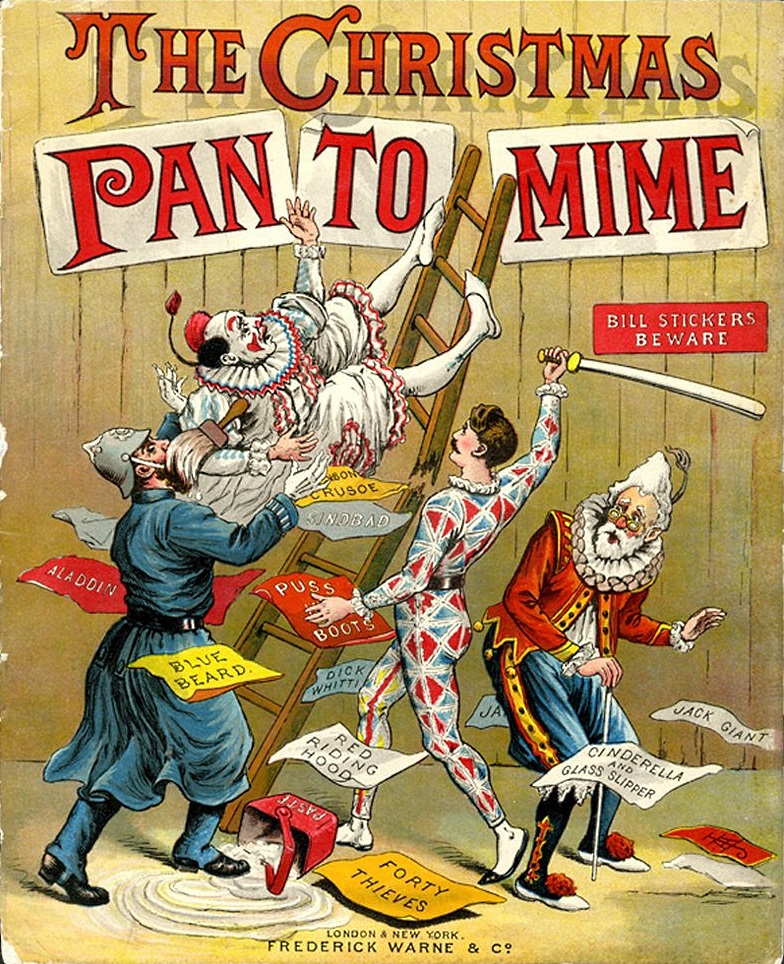
We all like a bit of theatre, but unless you focus on your strategy, and turn those ideas into actions that change colleagues and customers lives, you risk something worse. The endless idea challenges that go nowhere, the hackathons, the… Continue reading
-
Our Productivity Problem Is Linked To Meaningless Measurement
“What gets measured gets managed—even when it’s pointless to measure and manage it, and even if it harms the purpose of the organisation to do so” There is an opportunity cost to measurement. It can set a very odd behaviour… Continue reading

-
Do We Need A Department of Effectiveness?
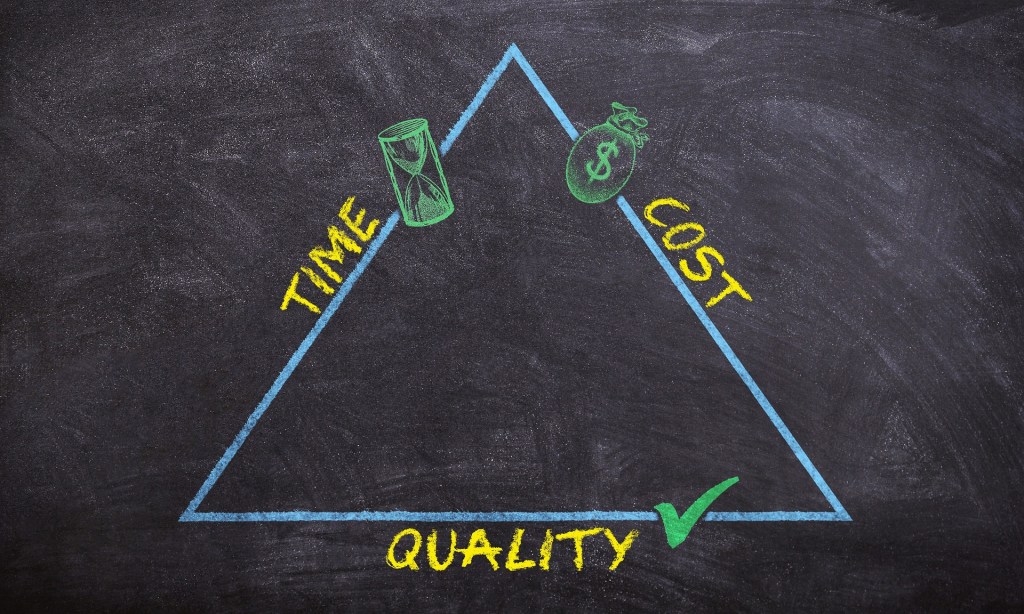
As things get really tight, it will feel like the safe thing to do is stick with what you know. Double down on the same processes, hire the same people and hope technology will save us. The problem of course… Continue reading
-
The Anatomy of a Bad Idea
Bad ideas can share several features: They take a complex problem and apply a one-shot solution: the silver bullet that ignores the root cause. They are easy to understand, and don’t require you to know much about the subject. They… Continue reading

-
The Batcave of Innovation: Disruptive Thinking in Healthcare
“The biggest users of pagers are drug dealers, Hezbollah and the NHS” Why has Alder Hey Children’s Hospital innovated in ways the NHS cannot? It’s all about First Principles.. Continue reading

-
Imitation Breeds Mediocrity
Imitation breeds mediocrity. Copying others distracts from developing your own unique strengths and capabilities. True innovation comes from looking inward, understanding your own context and culture, and finding creative solutions that work for you. Copying stifles this. Continue reading
-
Understanding Spreadability in Innovation
Guerrilla gardening, a movement born in New York City, spread globally as a way to reclaim neglected spaces. The movement gained momentum through word-of-mouth and grassroots activism. It emphasized clandestine planting and direct action. Will Lilley, from NHS England, highlighted… Continue reading

-
The Law of Propinquity And The Work From Home Dilemma
In our post-internet, post-social media, post-covid world, does physical proximity still have value, particularly when it comes to creativity, innovation and discovery? The law of propinquity states that the greater physical (or psychological) proximity between people, the greater the chance that they… Continue reading

-
Designing For Connection Rather Than Transaction
Health is not made in health systems, it’s made in homes, in communities, in workplaces. So unless we can build horizontal bonds between communities and the kind of expertise and resource in health systems, we can’t really make change. Hilary… Continue reading

-
We Should All Delete More Work
At my organisation, during a cyber incident which meant no access to any computer system for several weeks, some teams reported becoming more effective not less. Many other people noticed this at the beginning of the 2020 lockdowns. Deprived of… Continue reading

-
How To Behave In A Legacy Organisation
“I was a Legacy manager in a Legacy organisation. We were mainly caretaking a broken model, trying to make it function better.” Kate Davies It’s always refreshing to hear a CEO, or ex-CEO, offer a pragmatic take on their career… Continue reading

-
The Abilene Paradox And The Dangers of Assuming People Agree With You
The Abilene Paradox is a situation in which a group makes a decision that is contrary to the desires of the group’s members, because each member assumes the others approve of it. It’s titled after an example used by Jerry… Continue reading

 Paul Taylor