Paul Taylor
-
Black Swans Can Inspire A New Era of Innovation
A black swan is an unpredictable event that is beyond what is normally expected of a situation and has potentially severe consequences. Black swan events are characterized by their extreme rarity, their severe impact, and the widespread insistence they were… Continue reading

-
The Way We Work Isn’t Working
The office, after management, is arguably the biggest inefficiency tax that organisations layer over themselves. They cost huge amounts to procure and maintain, they become an all too convenient base for meetings (another inefficiency tax), and they set a precedent… Continue reading

-
What Coronavirus Tells Us About Risk
As I sit down to write this post I’ve just received an email from a weekly design blog I subscribe to. This edition is titled , alarmingly, ‘Pandemic Prep’. It begins “We are interrupting our regularly scheduled newsletter format and… Continue reading

-
The Creative Value Of Open-Mindedness
Innovation is, essentially, about being endlessly curious. Curious, and a little bit paranoid that the way you do things isn’t the best way. Looking outside your organisation means gathering and understanding trends and weak signals that indicate emerging needs or… Continue reading

-
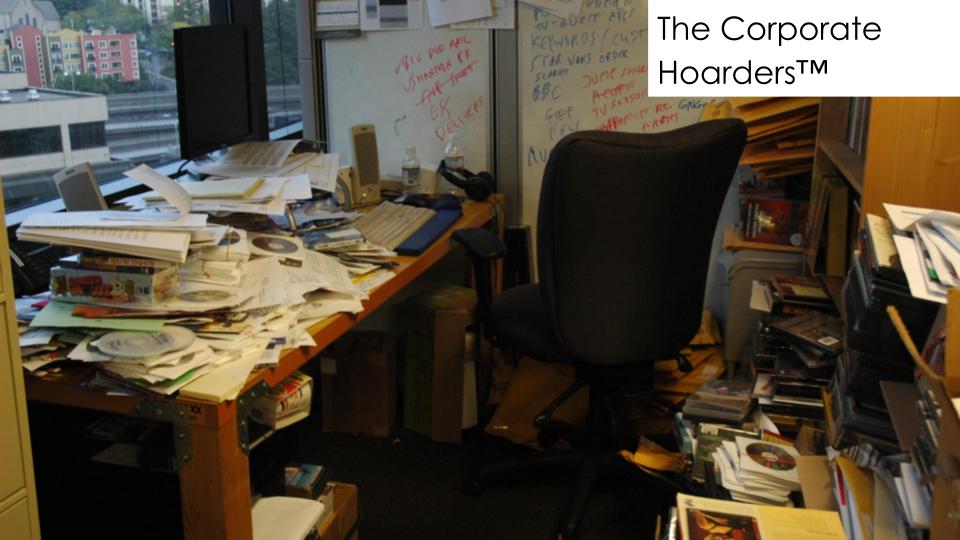
How To Resist Corporate Hoarding
Many companies are still using software built or purchased from a time when Blockbuster were fining us for late returned videos. Most of the companies we admire for their innovation , your Amazons, your Netflixes or your Apples have no… Continue reading
-
The Complex Problem With Big Change Programmes
Change-washing (noun): the process of introducing reforms that purport to bring about change but fail to result in any substantive shifts in systems, services or culture. — Thea Snow and Abe Greenspoon One of the unfortunate side-effects of writing a… Continue reading
-
People Aren’t Sick Of Change. They’re Just Sick Of Change Programmes
I don’t buy into the idea that humans intrinsically hate change. I just think that by the time we’re in our 30s or 40s, lots of our experience of change – particularly in the workplace – has been more negative… Continue reading

-
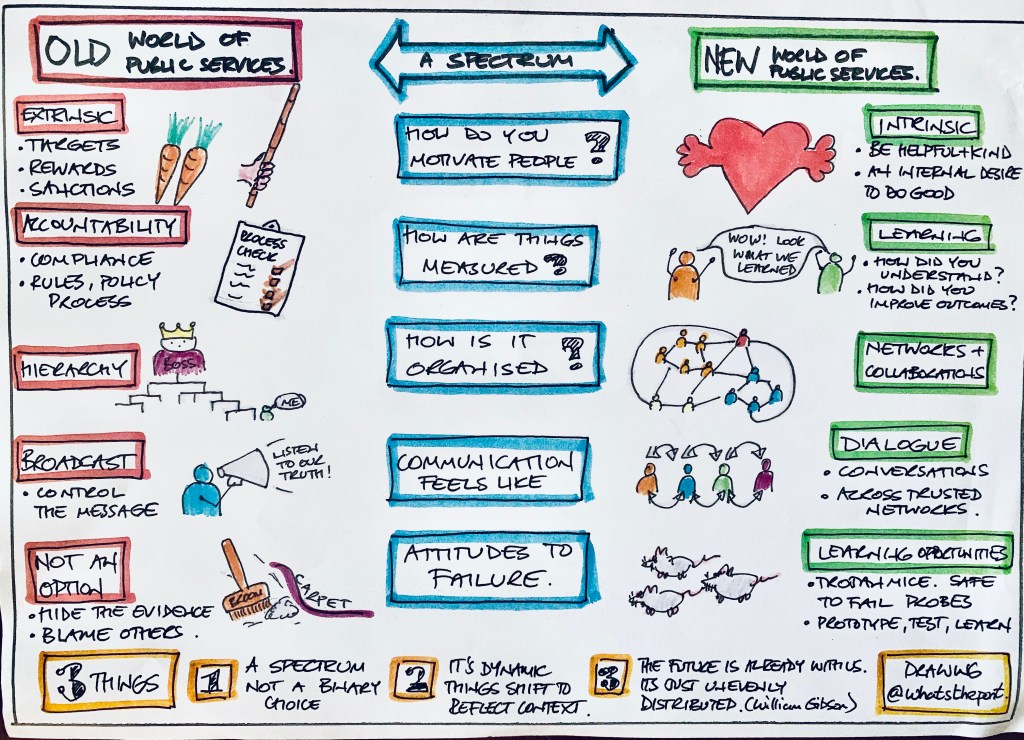
Enabling A New World Of Public Service Delivery
The UK now finds itself in its lowest-ever position in the Global Trust Index, just one place off the bottom, with only Russia below it – Ed Williams President and CEO, EMEA The results are in: Nobody trusts anyone anymore.… Continue reading
-
Putting The Needs Of The User Before The System
Are some countries more innovative than others? Certainly many have tried to measure it, with the UK being outperformed by the likes of South Korea, Israel and Finland. As the CEO of Pfizer, Albert Bourla has said, the role of… Continue reading

-
Moving From The Reactive To The Pre-Emptive
As Matthew Manos has written, many of us in the social sector are employed in the expectation that the things that go wrong will always go wrong. Indeed, our work often profits from past societal failure rather than the contemplation… Continue reading

-
Ending Our Obsession With Leadership
Organisations need to completely rethink what it means to lead. It’s not about one person or even those residing at the top anymore. In today’s world, everyone has to adopt a leadership mindset. We have to think of ourselves as… Continue reading
-
Collaboration, Creativity and Crap Offices: The Top Five Posts of 2019
The word blog is a conflation of two words: Web and log. This blog is essentially a diary of what I’m thinking; albeit a diary that is meant to be read by others, and that hopefully inspires some creativity. I… Continue reading

-
The Problem With Seeing People As Vulnerable
Never mistake your Twitter feed for your country — Nick Cohen (@NickCohen4) December 12, 2019 Now, more than ever, it’s easier to exist within a bubble. We spend a lot more time communicating through screens than talking face to face.… Continue reading

-
Why You Shouldn’t Ask Customers What They Want
The customer is always right. If you involve customers – you’ll make better decisions. The only problem with statements like these is that they don’t seem to account for all those occasions when the customer wasn’t right. They don’t explain… Continue reading
-
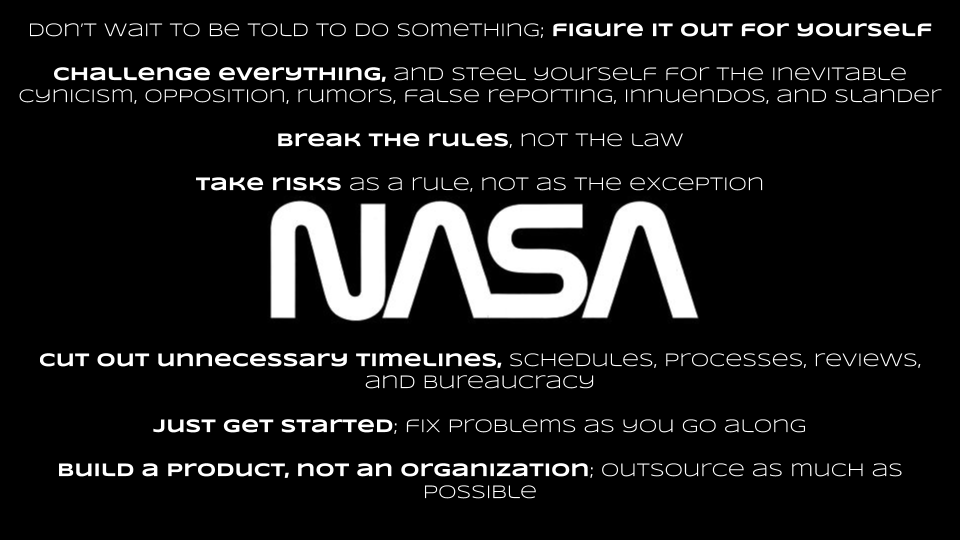
Redesigning Organisations For Positive Deviance
What if the traditional way that we think change happens is all wrong? What if our focus on the spread and scale of innovative business solutions isn’t the answer – but is part of the fundamental problem? In 1990, an… Continue reading
-
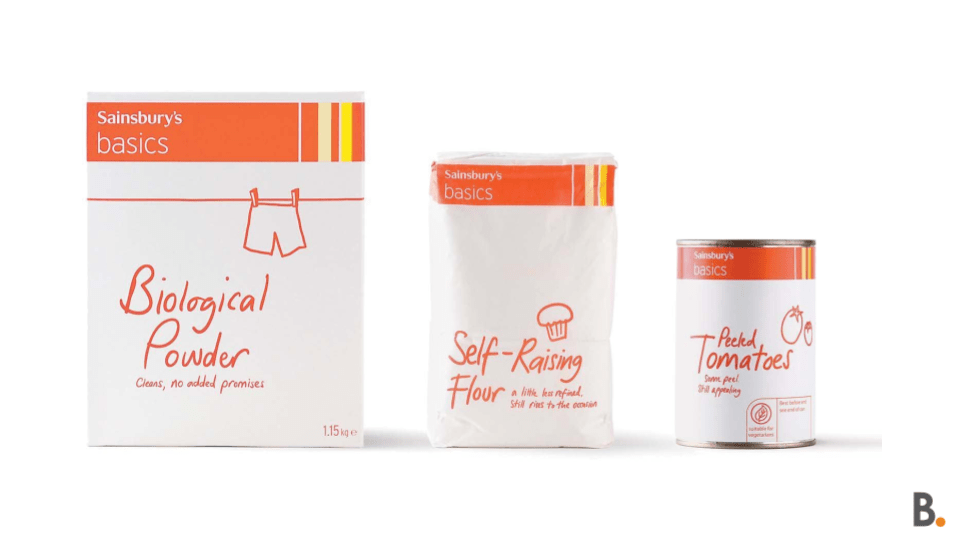
The Complex Task of Simplicity
If you want to make things truly simple to use by your customers, you will nearly always have to make your organization take on more complexity – Gerry McGovern Yesterday, I delivered a talk at a conference that was aimed at… Continue reading
-
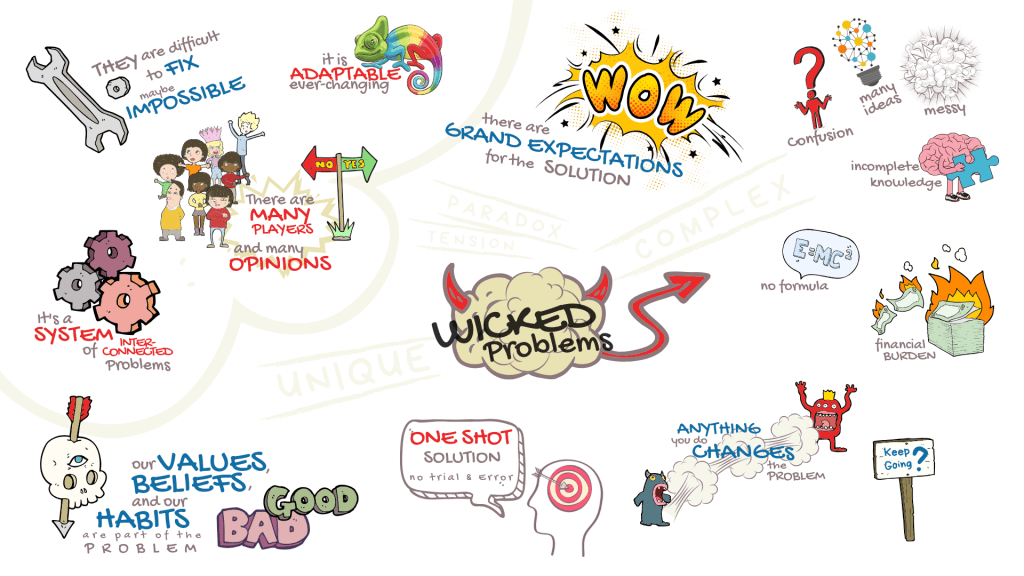
How To Keep Focussed (And Remain Sane) In A World Of Complex Problems
In our heart, we know the solution does not lie in reforming silo by silo but in organizing our silos the way people organize their lives, so that the neighbourhood becomes our primary unit of analysis and change – Cormac… Continue reading
-
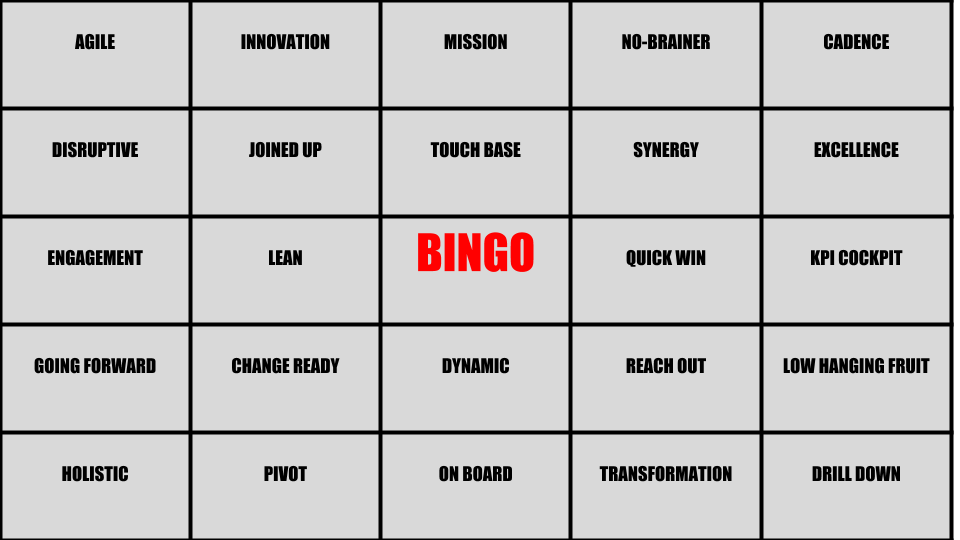
An A-Z of Office Jargon
Apparently – ‘Touch Base” is the most-hated office phrase for a second year in a row. Certainly – it’s a mainstay of contact requests I get from Linkedin. And if I fail to touch base I usually get someone ‘circling… Continue reading

-
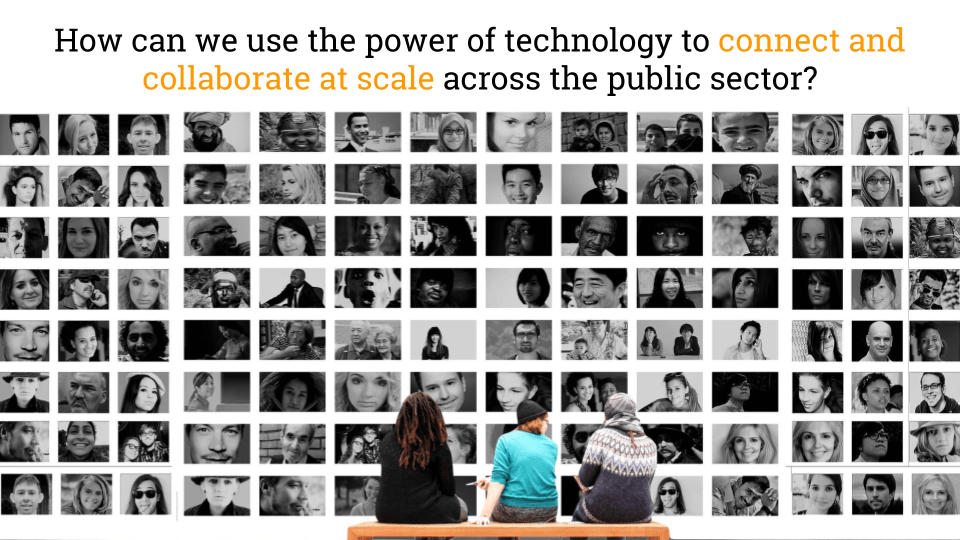
How Technology Can Increase Collaboration And Build Trust
This post is an shortened version of a plenary talk delivered in Cardiff for the Wales Audit Office Depending on your age it’s likely that the two things you were not taught in school were: a) how to collaborate effectively… Continue reading
-
The Smartest People Will Never Work For You
Joy’s law is the principle that “no matter who you are, most of the smartest people work for someone else”. Bill Joy, the computer engineer to whom it’s attributed argued that if you rely solely on your own employees, you’ll… Continue reading